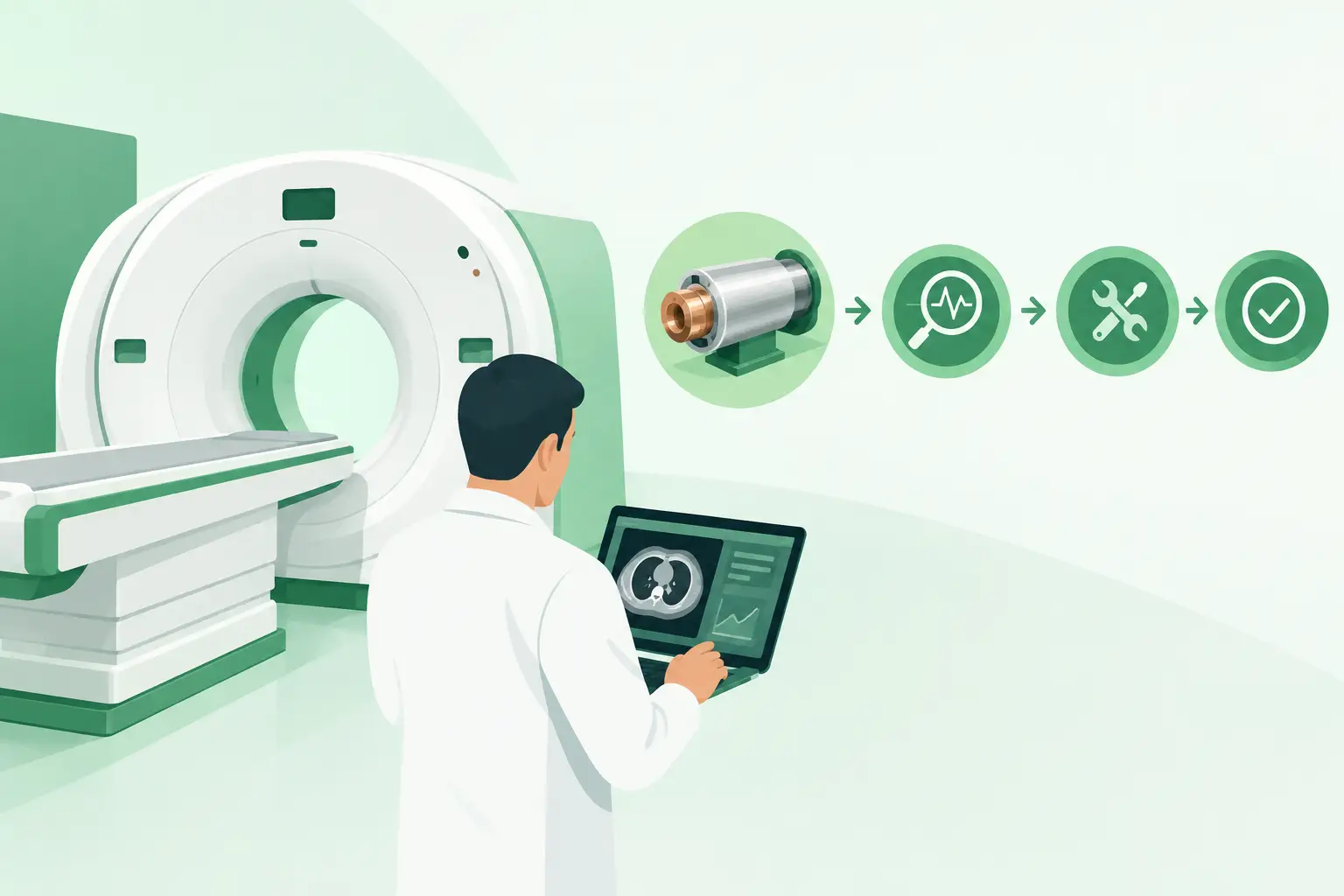
When a CT console is down over a single failed board or an ultrasound system is waiting on a replacement probe subassembly, the question is rarely theoretical. Buyers and service teams need to decide whether OEM compatible imaging components are a practical alternative, a stopgap, or the right long-term procurement strategy for a specific asset.
That decision deserves more than a simple yes or no. In medical imaging, compatibility is not just about whether a part can be installed. It is about whether the component performs correctly within a larger system, supports safe operation, aligns with service objectives, and reduces downtime without creating new risk. For hospitals, ISOs, biomed teams, and equipment resellers, that distinction matters every day.
What OEM compatible imaging components actually mean
OEM compatible imaging components are replacement parts designed to function with equipment originally produced by a major manufacturer, but not necessarily supplied by that original manufacturer. In practice, that category can include newly manufactured compatible parts, refurbished assemblies, tested pull parts, or alternative-source components that match the required specifications for fit, form, and function.
The term gets used loosely in the market, which is where problems start. One supplier may use it to describe a carefully tested equivalent component with documented compatibility. Another may use it for a generic substitute with limited application history. For technical buyers, the phrase only becomes useful when it is tied to part number verification, modality-specific knowledge, testing standards, and a clear understanding of system dependencies.
That is especially true in imaging environments where one component rarely operates in isolation. A compatible power supply, detector-related assembly, coil interface, or motion-control board may affect software communication, calibration behavior, thermal performance, or image quality. Compatibility has to be proven at the system level, not assumed at the part level.
Where OEM compatible imaging components make the most sense
In the aftermarket, these components are often most valuable when the original sourcing path is constrained. That may happen because the OEM lead time is too long, the part is no longer manufactured, the installed system is approaching end of support, or the budget for the repair does not justify a factory-new replacement.
Legacy imaging platforms are a common example. Many providers continue to operate older CT, MRI, C-arm, mammography, and ultrasound systems because the equipment still serves clinical demand and replacement capital is not immediately available. When those systems require parts, OEM inventory may be limited or priced around scarcity rather than operational practicality. A compatible or refurbished alternative can extend useful life and keep service events manageable.
There is also a strong case in high-pressure service situations. If an exact OEM channel is available but will take weeks, a compatible component that has been properly vetted may restore function much faster. For service organizations measured on response time and first-time fix rates, that timing can outweigh a default preference for OEM-branded supply.
Still, this is not a blanket rule. In some cases, particularly where firmware interdependence, calibration tolerances, or manufacturer lockouts are known issues, OEM sourcing may remain the safer choice.
The real evaluation criteria
Price gets attention, but experienced buyers usually start somewhere else. They want to know whether the part will work in the exact system they are servicing, whether it has been tested appropriately, and whether the supplier understands the application well enough to prevent a mismatch.
Fit, form, and function are only the baseline
A component may share the same physical footprint and electrical rating as the OEM part and still create service complications. Connector revisions, board-level component changes, software recognition issues, or variant-specific configuration differences can all affect field performance.
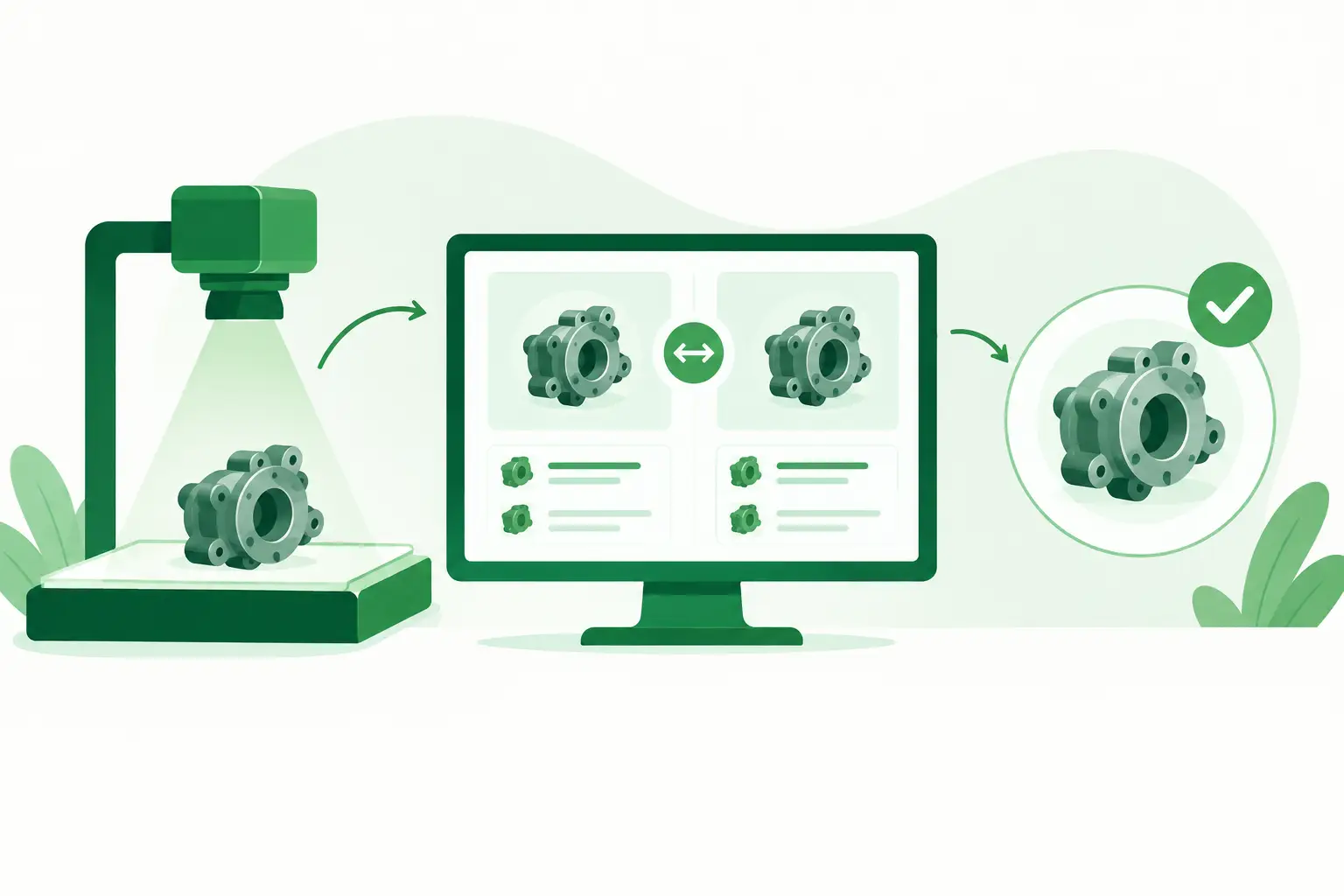
That is why part number cross-referencing matters so much. A supplier should be able to verify supersessions, revisions, modality compatibility, and known restrictions before a quote is issued. For imaging systems, broad claims of interchangeability are not enough.
Testing standards matter more than labels
A compatible part should come with a credible testing process tied to the component type. For some items that means electrical and functional bench testing. For others, especially assemblies tied to imaging performance, the relevant standard may include operational validation, environmental checks, or documented refurbishment steps.
Refurbished components are not inherently lower quality than new compatible ones. In some cases, a refurbished OEM-origin assembly may be preferable because its application history is well understood. What matters is traceability, inspection discipline, and whether the seller can explain what was tested and restored.
Downtime risk should be priced into the decision
The lowest purchase price is not the lowest cost if the wrong part delays a repair, requires a second truck roll, or disrupts patient scheduling. For hospitals and service providers, procurement value is tied to speed and accuracy as much as unit cost.
That makes supplier capability part of the component decision. A source with deep imaging specialization, broad supplier reach, and fast quote turnaround can reduce downtime even before the part ships, because the identification process is faster and the chance of ordering error is lower.
Common concerns buyers should not ignore
The first concern is quality consistency. The aftermarket includes excellent suppliers and weak ones. Compatible parts sourced without sufficient technical review can introduce avoidable failure points, particularly in systems where heat, vibration, or high-voltage performance are relevant.
The second concern is documentation. Buyers should know what they are receiving - new compatible, refurbished, used tested, or pull stock - and how that status affects warranty expectations and service planning. Ambiguity here usually leads to avoidable disputes later.
The third concern is regulatory and internal policy alignment. Healthcare organizations often have procurement rules, quality requirements, or service documentation standards that affect which replacement parts can be purchased and from whom. A part may be technically suitable but still require internal review before approval.
Then there is the issue of root cause. Replacing a failed component with a compatible part does not solve anything if the underlying issue is elsewhere in the system. In imaging service, repeat failures often trace back to cooling problems, power irregularities, cable faults, or adjacent component stress. Good sourcing decisions support troubleshooting; they do not replace it.
How to buy OEM compatible imaging components with less risk
The most effective approach is structured rather than reactive. Start with the exact part number, system model, and revision details. If available, include serial information, photos of labels, and notes from the service event. The more exact the identification, the lower the risk of receiving a part that is close but not correct.
Next, qualify the supplier on specialization, not just availability. A vendor focused on medical imaging aftermarket parts is more likely to understand modality-specific differences, discontinued platforms, and cross-reference pitfalls than a general industrial parts reseller.
Ask practical questions. Is the component new, refurbished, or used tested? What compatibility has been verified? What was the testing process? Are there known installation requirements or configuration issues? What warranty applies, and how is an issue handled if the part is nonconforming on arrival?
For higher-impact components, it also helps to think in terms of service consequences. If this part fails or arrives incorrect, what does that cost in lost scanner time, field labor, and case backlog? That perspective usually sharpens the sourcing decision quickly.
For many buyers, the best procurement partner is the one that can source across OEM, compatible, refurbished, and legacy channels instead of forcing a single path. Companies such as Meditegic operate in that space because the real need is not just inventory. It is dependable access to the right replacement path when the standard one breaks down.
Why this category keeps growing
The installed base of aging imaging equipment is still large, and many providers are under pressure to extend asset life without compromising serviceability. At the same time, OEM channel constraints, discontinued parts, and capital limitations have made the aftermarket more operationally important than ever.
That does not mean every compatible component is the right answer. It means buyers need better sourcing discipline and better supplier support. In a well-managed procurement process, OEM compatible imaging components are not simply substitutes. They are one part of a broader uptime strategy built around availability, verification, and informed trade-offs.
The best purchasing decisions in imaging service are rarely ideological. They are specific, technical, and shaped by the cost of delay. If a component can be verified, tested, and sourced from a supplier that understands the system it supports, compatibility becomes less of a marketing claim and more of a practical way to keep critical equipment working.