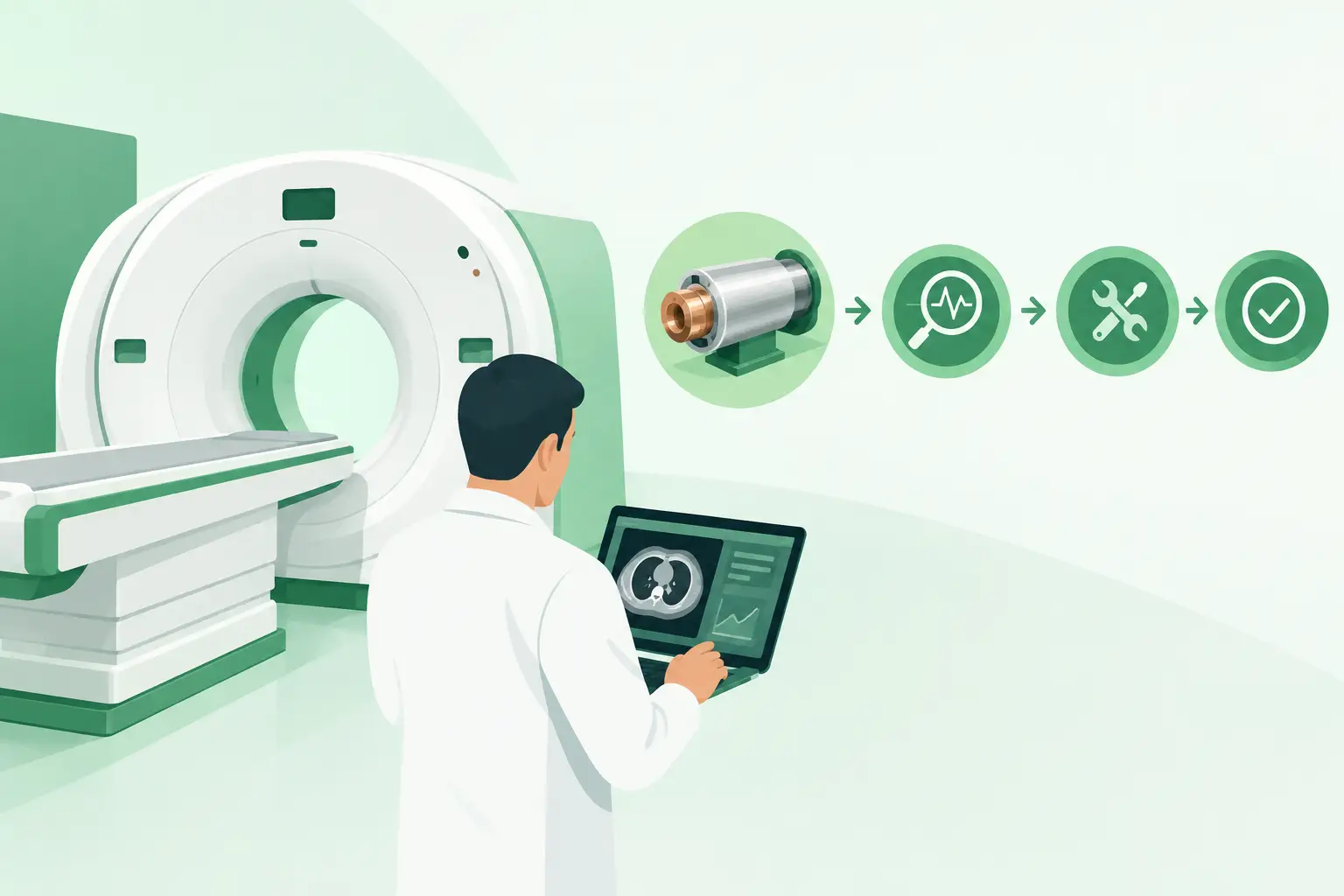
A detector failure rarely arrives at a convenient time. When a CT, PET, X-ray, or mammography system is down, the pressure to order replacement detector assembly is immediate, but speed alone does not solve the problem. The real challenge is getting the correct assembly, in the right configuration, with enough technical certainty to avoid another delay after the part arrives.
For imaging service teams, biomeds, and purchasing departments, detector assemblies sit in the category of parts that are both expensive and operationally sensitive. A mismatch in revision level, connector type, calibration compatibility, or OEM application can turn an urgent procurement into a second outage. That is why detector sourcing has to be handled as a technical procurement task, not a simple part reorder.
Why detector assemblies require tighter procurement control
A detector assembly is not just another board or cable. In many imaging platforms, it directly affects image acquisition, signal conversion, and system performance. That means replacement decisions can influence image quality, calibration requirements, service labor, and return-to-service timelines.
The procurement risk is higher when the system is older, the OEM has limited support for the installed base, or the original part has multiple revisions in the field. In those cases, the part number on a label may be only part of the story. Buyers often also need application details, serial number data, compatibility notes, and service context before placing an order.
This is especially true in the aftermarket. A new OEM part may be available for some platforms, but for many legacy systems the practical path is a refurbished or sourced replacement. That option can be cost-effective and faster, but only if the supplier understands the technical distinctions that affect fit and performance.
Order replacement detector assembly with the right data first
The fastest way to reduce sourcing errors is to gather the correct system information before requesting a quote. In urgent situations, teams often send only a brief description such as "detector issue" or a partial part number. That may start the conversation, but it is usually not enough to secure an exact match.
At a minimum, buyers should confirm the imaging modality, OEM, system model, and full part number as listed on the failed unit. If available, revision level, serial number, board identifiers, and photos of labels help narrow compatibility quickly. Service notes also matter. If the failure occurred after intermittent image artifacts, power instability, or communication faults, that context may affect whether the detector assembly is truly the failed component or whether another upstream issue needs to be addressed first.
For hospital procurement teams, this is where coordination with the field engineer or biomed team pays off. A clear handoff between technical diagnosis and purchasing reduces duplicate work and prevents orders based on incomplete assumptions.
Information that often changes the quote
A detector assembly request can shift significantly based on details that seem minor at first. One revision may be approved only for a narrow system range. Another may require specific calibration steps or paired components. In some platforms, the same detector family appears across multiple system generations, but mounting, firmware expectations, or cable interfaces differ.
Condition also affects the buying decision. A new replacement may offer the highest degree of standardization, but lead time and budget are common constraints. A refurbished unit may be the best operational fit if it has been properly tested and validated for the intended application. The right choice depends on urgency, installed system age, and how long the organization expects to keep that platform in active service.
Common mistakes when ordering a replacement detector assembly
One common mistake is buying only to the visible label without checking platform compatibility. Another is assuming a detector assembly can be swapped across similar models without reviewing revision history. Imaging systems often look interchangeable at the family level while differing in ways that matter during installation.
A second issue is focusing only on price. Detector assemblies are high-value parts, so cost control matters, but the cheapest option is not always the lowest-cost outcome. If a lower-priced part arrives with uncertain compatibility or inadequate testing, the real cost shows up as repeat labor, added downtime, delayed patient scheduling, and another procurement cycle.
A third mistake is treating lead time estimates as fixed before the supplier verifies stock status and technical match. In the aftermarket, availability can change quickly, especially for discontinued or low-volume assemblies. A dependable sourcing partner should verify the part against actual supply and not rely on broad assumptions.
What buyers should ask before they place the order
Before finalizing a purchase, technical buyers should confirm whether the replacement is new, refurbished, or sourced from surplus inventory. That distinction affects pricing, availability, warranty expectations, and sometimes return eligibility.
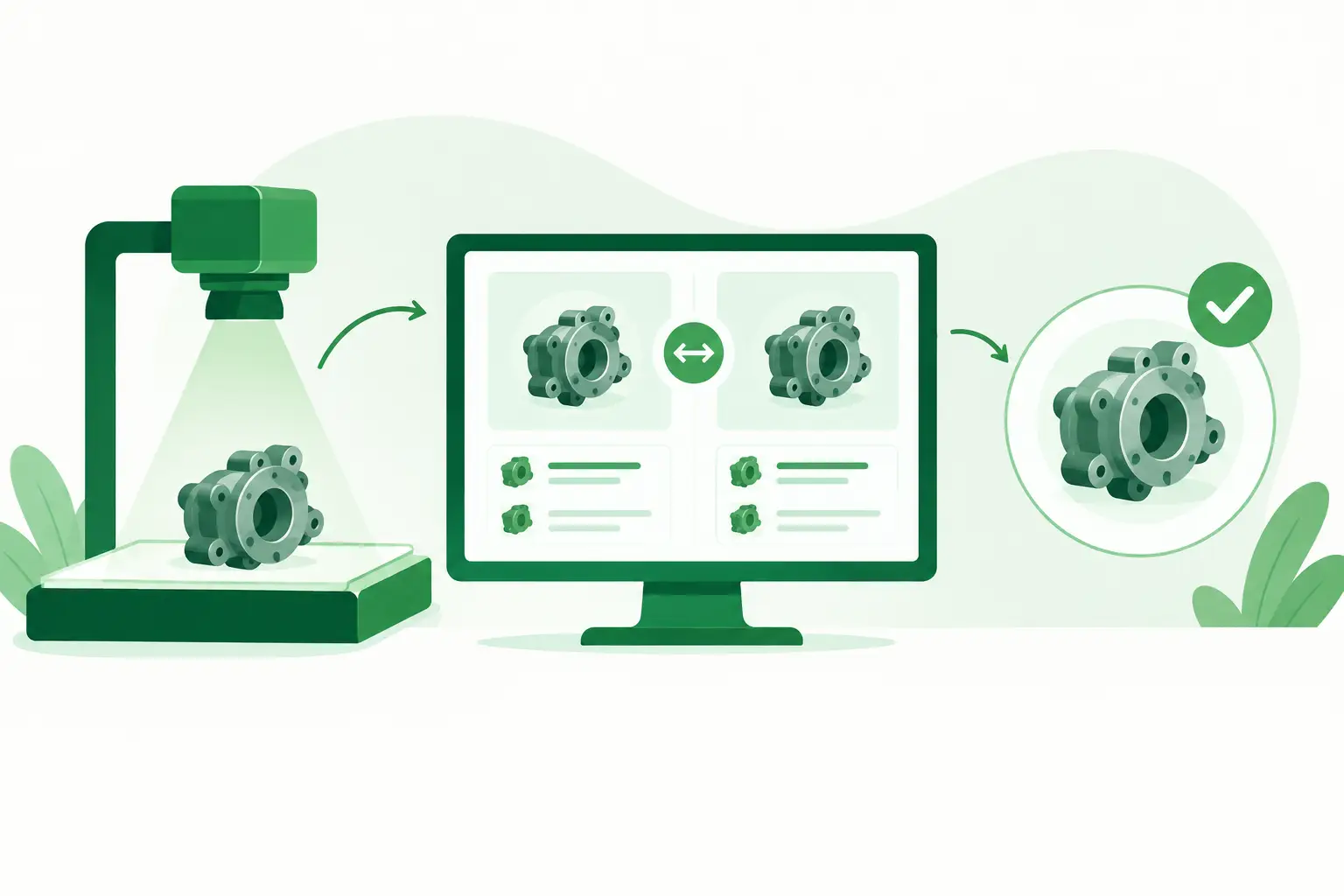
They should also ask how compatibility is being validated. Is the quote based strictly on a part number match, or has the supplier reviewed model and revision details? For hard-to-find detector assemblies, that extra step is often what separates a successful order from a return scenario.
Testing standards matter as well. The right question is not simply whether a part was tested, but how. Functional verification, cosmetic inspection, calibration readiness, and packaging standards each affect the reliability of the transaction. For sensitive imaging components, handling and shipment quality are part of product quality.
New vs refurbished detector assemblies
There is no universal answer here. New parts make sense when the platform remains strategically important, OEM support is active, and the organization wants to minimize variability. Refurbished parts make sense when availability is limited, budgets are tighter, or the system is in a later service-life stage and the priority is restoring operation quickly without overinvesting.
The trade-off is straightforward. New typically offers stronger supply confidence when available, but at a higher cost. Refurbished may improve affordability and shorten lead time, but the value depends on the supplier's screening, testing, and ability to confirm application fit.
Sourcing challenges in legacy and specialized imaging systems
Detector assemblies become harder to source as equipment ages out of mainstream OEM support. That does not mean the installed system is no longer useful. Many hospitals, imaging centers, and service organizations continue to maintain older platforms because they still support clinical demand, capital budgets, or site-specific workflows.
The issue is that legacy imaging parts often move into fragmented channels. Supply may exist, but it is scattered across independent inventories, surplus holders, repair pipelines, and niche parts networks. Standard distributors may not have access, and generic industrial sourcing methods usually fall short because medical imaging compatibility is too specific.
This is where specialization matters. A supplier focused on imaging aftermarket parts can evaluate part histories, cross-reference application data, and move faster on hard-to-find components than a broad-line vendor. For teams trying to restore a detector-dependent system, that capability directly affects downtime.
How to reduce downtime during the ordering process
The ordering process starts before the PO is issued. Teams that move fastest usually do three things well. They document the failed part completely, align technical and procurement stakeholders early, and work with a supplier that can quote against real-world imaging part complexity.
If the system is revenue-critical or tied to patient backlog, it is worth asking about alternate sourcing paths at the same time the primary request is submitted. Sometimes the exact listed part is unavailable but an approved replacement path exists through a compatible revision, an exchange program, or a refurbished unit already in stock. Those options need technical confirmation, but waiting to ask can add days.
It also helps to plan for what happens after delivery. If the installation requires calibration, service software, or engineer scheduling, those dependencies should be handled while the part is in transit. A correct detector assembly still does not solve downtime if the service window is delayed.
Why supplier responsiveness matters as much as inventory
For urgent imaging repairs, inventory access is only part of the value. Responsiveness matters just as much. Buyers need clear answers on compatibility, condition, lead time, and documentation without multiple rounds of follow-up.
That is why many healthcare organizations work with specialized procurement partners rather than relying only on standard catalog channels. In a market where detector assemblies can be scarce, technically sensitive, and time-critical, quote quality matters as much as quote speed. Meditegic supports this kind of sourcing environment by helping buyers identify exact-match and hard-to-find imaging replacement parts across a wide network of suppliers and legacy equipment channels.
When you need to order replacement detector assembly, the goal is not simply to find one available unit. The goal is to secure the right unit, with the right validation, fast enough to put the system back into service with confidence. That is the difference between buying a part and solving an outage.