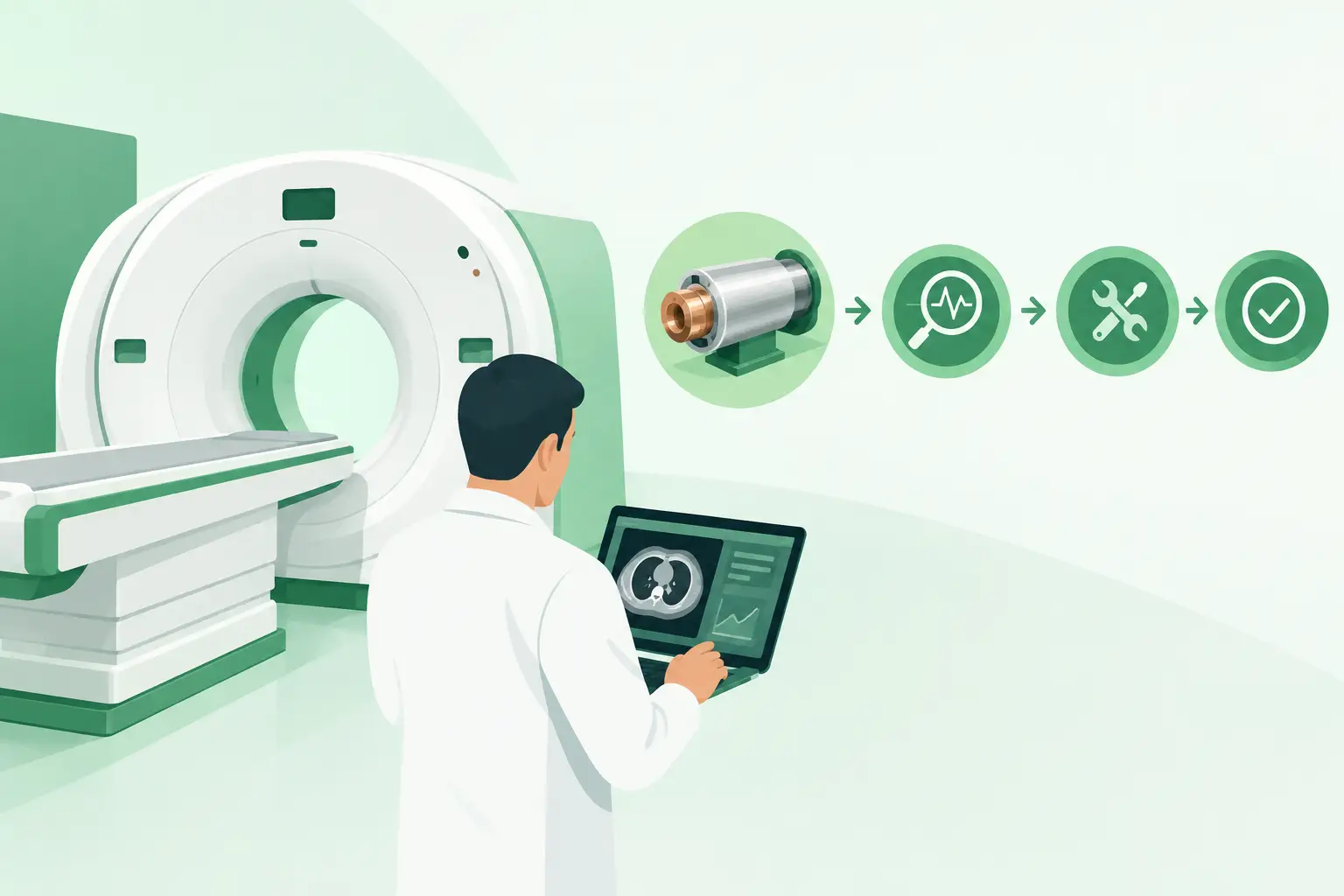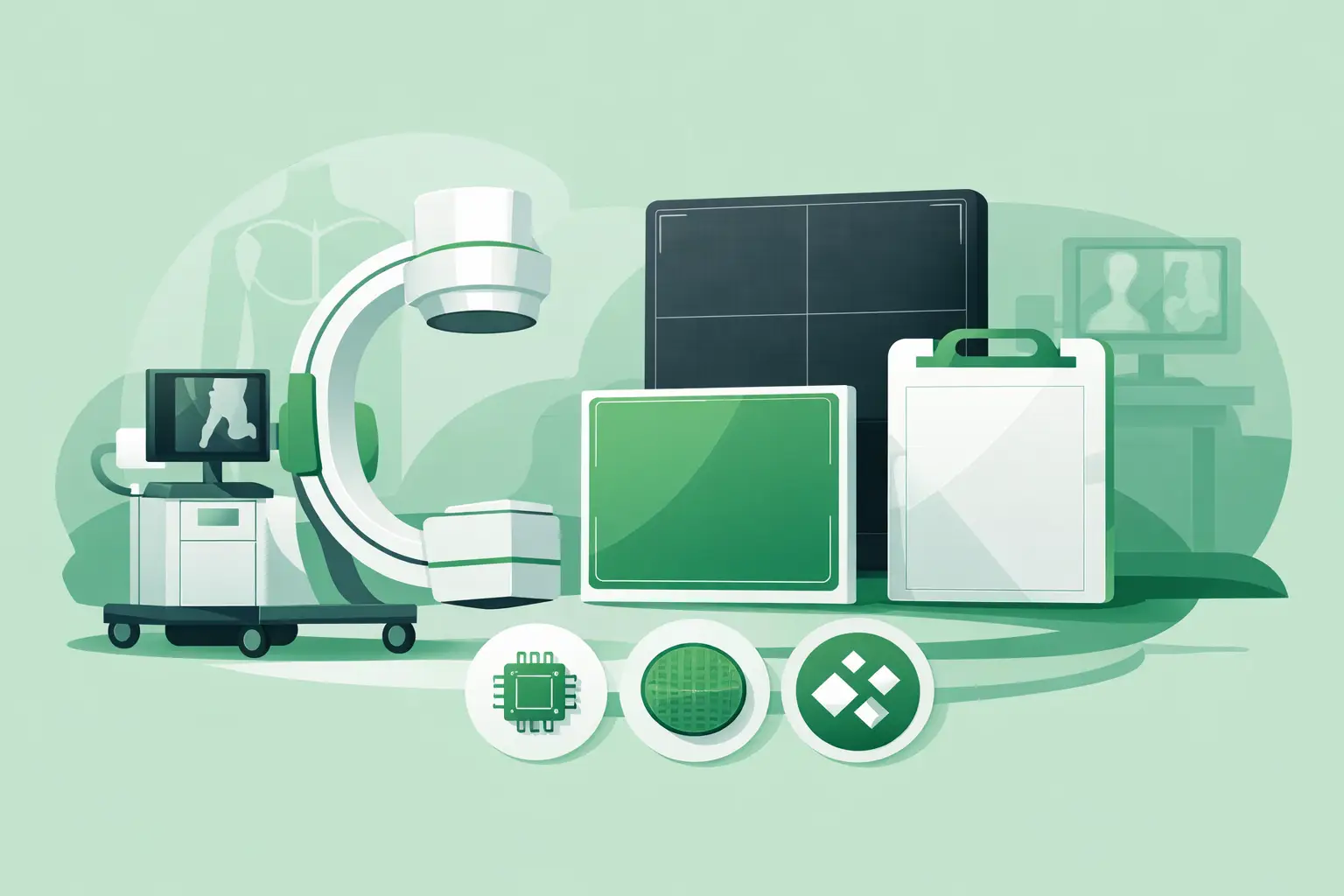
A failed detector can take a C-arm out of service faster than almost any other imaging component. For purchasing teams, biomeds, and independent service organizations, the search for the top sources for C arm detectors usually starts under pressure - a room is down, a case schedule is at risk, and the wrong replacement choice can create another round of delays.
The challenge is not just finding a detector. It is finding the right detector, in the right condition, with clear compatibility, acceptable lead time, and enough seller confidence to support installation and performance expectations. In the C-arm aftermarket, source quality matters as much as part availability.
Where the top sources for C arm detectors usually come from
There is no single best channel for every detector purchase. The right source depends on the age of the system, whether the detector is still supported by the OEM, the urgency of the need, and whether the buyer is trying to control capital spend or restore uptime as fast as possible.
For most healthcare equipment buyers, the realistic sourcing paths fall into five groups: OEM direct, authorized service channels, specialized medical imaging aftermarket suppliers, independent equipment dismantlers and refurbishers, and broker-style sourcing partners with deep parts networks. Each has a place. Each also comes with trade-offs.
OEM direct supply
If the detector is current, actively supported, and budget is secondary to manufacturer-backed documentation, OEM direct is often the cleanest path. This route tends to offer the strongest confidence on exact part matching, software compatibility, and traceability. For facilities with strict procurement requirements, OEM sourcing may also simplify internal approval.
The drawback is familiar. Price is often highest, and lead times can be longer than buyers expect, especially for older platforms or systems nearing end-of-support status. In some cases, the detector may no longer be available as a standalone part, or availability may be tied to broader service arrangements.
Authorized service and distribution channels
Some buyers work through authorized service partners rather than directly with the manufacturer. This can be useful when the organization already has a service relationship in place or needs installation support alongside the part itself. These channels can reduce administrative friction and may provide better field-level guidance on supersessions or compatible assemblies.
Still, authorized channels do not always solve the biggest issue in the aftermarket: access to discontinued or difficult-to-find detector models. If the platform is older, the authorized route may simply confirm that the part is no longer supported.
Specialized aftermarket suppliers
For many practical buyers, specialized aftermarket suppliers are among the top sources for C arm detectors because they focus on uptime rather than product-line protection. A strong imaging parts supplier can offer new, refurbished, or tested used detectors, support part-number verification, and search beyond a single inventory location.
This is where specialization matters. A general electronics reseller may list a detector, but C-arm components require a different level of sourcing discipline. Detector fit is not just physical. Buyers need confidence in model compatibility, revision alignment, connector configuration, and condition grading. A supplier that routinely handles imaging spare parts is more likely to understand those details and ask the right questions before quoting.
In this category, network depth often matters more than shelf stock. Suppliers with broad access to vetted vendors and large parts databases can sometimes locate hard-to-find detector assemblies faster than buyers attempting to source from fragmented channels on their own.
Independent refurbishers and dismantlers
For legacy systems, independent refurbishers and dismantlers can be one of the few viable paths. These suppliers recover parts from deinstalled systems, test what can be validated, and return otherwise unavailable components to the market. If a C-arm detector is no longer produced, this source can be the difference between a repair and a system replacement.
The upside is availability on aging platforms and a lower acquisition cost than new. The risk is variability. Testing standards differ. Cosmetic refurbishment does not always reflect functional quality. Documentation may be limited, and buyers need to confirm whether the seller understands the detector's application or is simply moving surplus inventory.
Sourcing partners and parts brokers
A sourcing partner can be highly effective when speed is critical and the part is difficult to locate. Rather than selling only from owned inventory, these firms use established supplier relationships to search across multiple channels quickly. That model works well when buyers need options - new, refurbished, or alternate availability - without spending internal labor calling ten vendors.
The value of a broker-style source depends on execution. A capable partner reduces time to quote, confirms specifications, and filters out weak offers. A weak one forwards listings with little validation. For detector purchases, where the cost of mismatch is high, buyers should favor partners that understand diagnostic imaging equipment and can speak clearly about condition, testing, and source confidence.
How to evaluate C arm detector sources before you buy
The best source is rarely the one with the lowest listed price. It is the one that can supply a detector that fits the system, performs as expected, and arrives within the operational window the facility can tolerate.
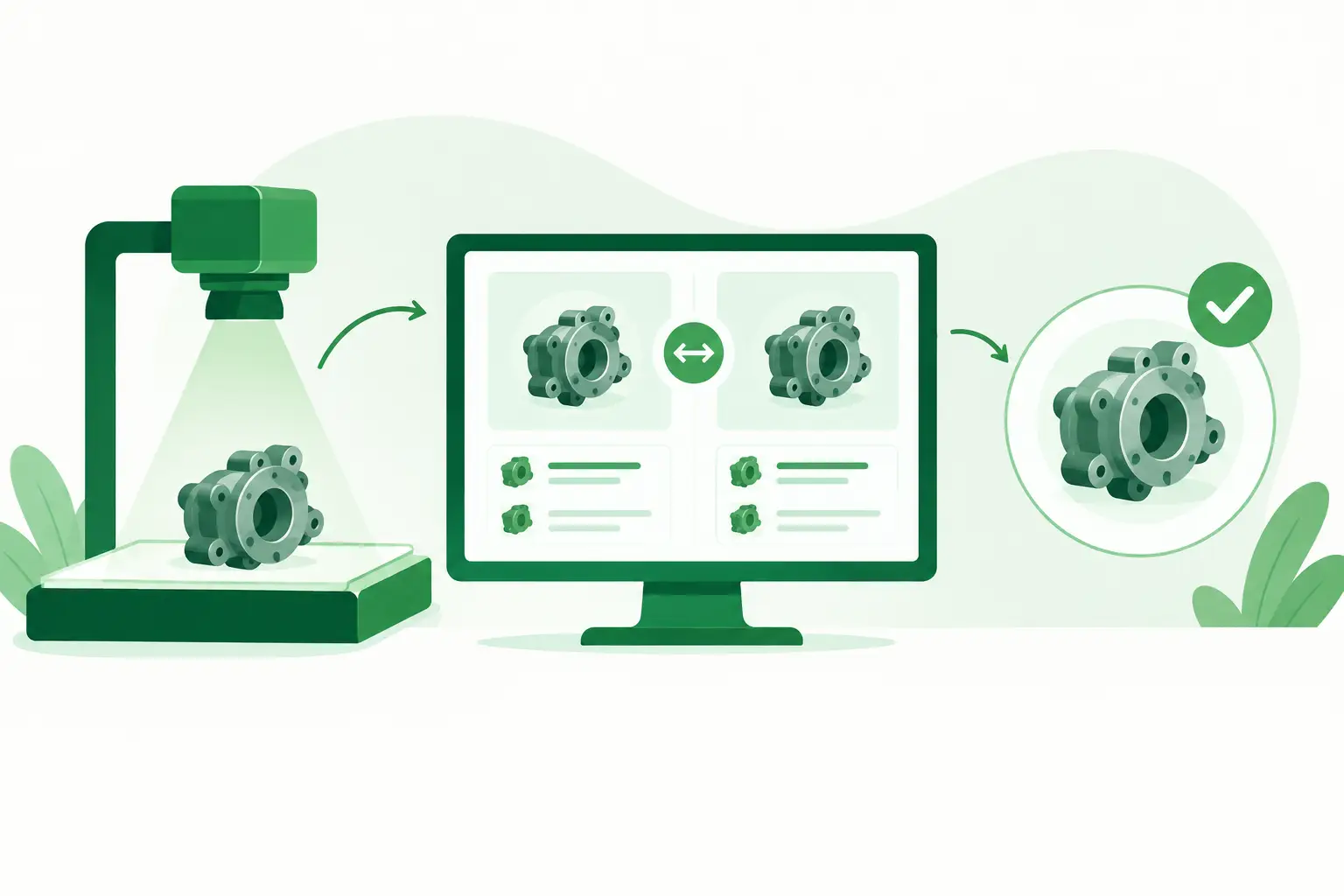
Part-number accuracy comes first. C-arm platforms often have revisions, regional variants, and detector assemblies that appear similar but are not interchangeable. A reliable supplier should ask for the full part number, system model, serial number when relevant, and any available photos or labels. If a seller is comfortable quoting from a vague description alone, that is usually a warning sign.
Condition disclosure is the next checkpoint. Buyers should know whether the detector is new, refurbished, tested used, or pulled from a working system. Those terms are not interchangeable. Refurbished can mean anything from cleaned and inspected to fully repaired and performance-tested. If the definition is unclear, the quote is incomplete.
Testing standards also deserve scrutiny. Not every supplier can perform full functional validation on a detector, especially if the original host system is not available. That does not automatically disqualify the source, but it does affect risk. The seller should be straightforward about what was tested, what could not be tested, and whether any return provisions apply if the part fails installation verification.
Lead time should be treated carefully. Some suppliers quote based on probable access rather than confirmed possession. There is a real difference between in-stock, allocated from a partner, and subject to incoming inspection. For high-priority imaging assets, buyers should ask exactly where the detector sits in the supply chain before committing.
When OEM is better - and when aftermarket is smarter
There are cases where OEM is clearly the better decision. If the system is under service agreement, the detector is tied to software calibration support, or the facility has zero tolerance for any ambiguity in warranty structure, OEM sourcing may justify the premium.
But many buyers are managing older C-arms, mixed fleets, or tighter replacement-part budgets. In those environments, aftermarket sourcing is often the more practical option. The savings can be meaningful, and on discontinued systems, it may be the only workable option at all.
What matters is not whether the source is OEM or aftermarket. What matters is whether the supplier can document compatibility, explain condition honestly, and move fast enough to support clinical uptime.
What strong detector suppliers do differently
The strongest suppliers do more than send a quote. They reduce procurement risk. They validate part numbers before offering substitutes. They explain whether the detector is available new, refurbished, or harvested. They set realistic lead times. They communicate quickly because they understand that a down C-arm affects schedules, revenue, and patient flow.
They also understand the broader service environment. A hospital biomed team may need a dependable source that can support internal repair efforts. An independent service organization may need speed, technical clarity, and access to legacy parts across multiple OEM platforms. A dealer may care most about cost control without sacrificing confidence in resale readiness. Good suppliers adjust to those realities instead of forcing every buyer into the same process.
For that reason, many institutional buyers rely on specialized partners such as Meditegic when standard channels come up short. In the detector market, breadth of sourcing access and quoting speed can matter just as much as owned inventory.
Top sources for C arm detectors depend on the problem you are solving
If the goal is factory-backed assurance on a current system, start with OEM or authorized channels. If the priority is restoring an older system quickly, specialized aftermarket suppliers, refurbishers, and sourcing partners often offer the best path. If the detector is rare or discontinued, network reach becomes the deciding factor.
A C-arm detector purchase is not just a parts transaction. It is a downtime decision. The best source is the one that understands that pressure, verifies the details before the order is placed, and gives your team a realistic path back to operation. When the room is down, that kind of sourcing support is what keeps a parts search from becoming a longer outage.