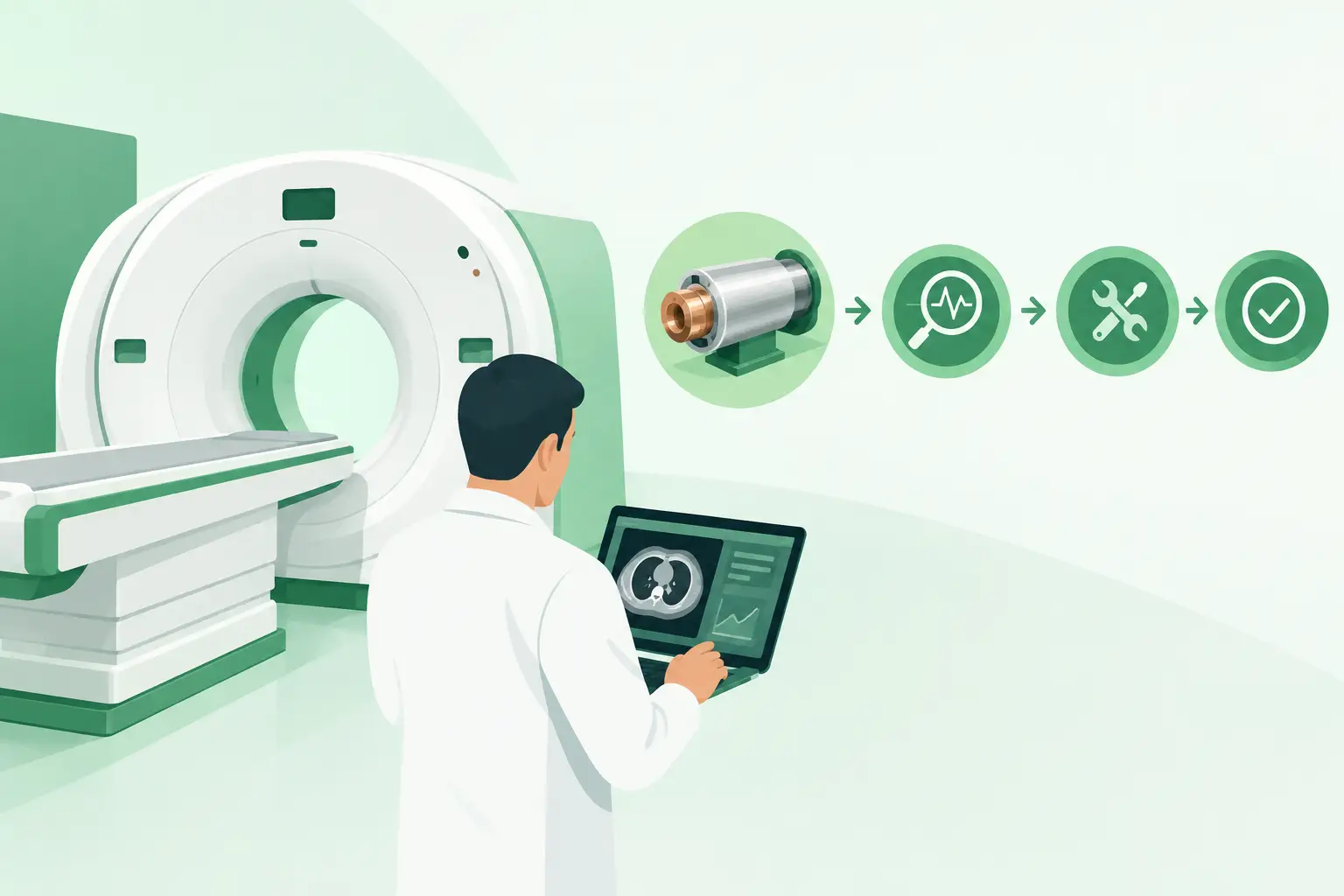
A CT room goes down at 6:20 a.m., the first patient is already checked in, and the issue traces back to a failed board that is not sitting on a shelf in central supply. That is where urgent imaging component fulfillment stops being a purchasing task and becomes an operational priority. For hospitals, imaging centers, ISOs, and in-house biomedical teams, the difference between a same-day sourcing response and a slow procurement cycle can mean lost revenue, delayed care, and a service backlog that spreads across the week.
What urgent imaging component fulfillment actually means
In practical terms, urgent imaging component fulfillment is the accelerated process of identifying, confirming, sourcing, and shipping the exact replacement part needed to restore diagnostic imaging equipment. The word exact matters. In imaging, a near match is often useless. Revision level, compatibility, modality, system configuration, and condition status all affect whether a component will solve the problem or create another one.
This is different from routine parts purchasing. Standard procurement often allows time to compare suppliers, wait on factory lead times, or bundle orders for budget efficiency. Urgent fulfillment is built around downtime reduction. The goal is to move from failure event to verified shipment as quickly as possible without sacrificing accuracy.
That balance is what makes the process difficult. Speed by itself is not enough if the wrong MRI coil interface board, CT power supply, or ultrasound assembly arrives on site. In this category, fulfillment has to be both fast and technically disciplined.
Why downtime in imaging is different from other equipment outages
Most healthcare assets matter, but imaging systems create a distinct kind of pressure. A down CT, MRI, PET, C-arm, or X-ray system can interrupt scheduled exams, delay diagnosis, affect surgical workflow, and force patient redirection. These are high-value systems with high utilization, and downtime costs are felt quickly.
There is also a complexity issue. Imaging platforms often involve older installed bases, mixed OEM environments, and components that are no longer readily available through standard channels. A purchasing team may know the part family but still need help confirming the exact item. A field engineer may identify the failed assembly but need a supplier that can locate a replacement within hours, not days.
That is why urgent sourcing in this market depends on specialization. General industrial distribution methods do not always work for diagnostic imaging components, especially when the required item is refurbished, discontinued, or tied to legacy equipment.
The real bottlenecks in urgent imaging component fulfillment
The first bottleneck is part identification. Imaging systems do not always fail in a way that points neatly to one SKU. Multiple assemblies can produce similar symptoms, and documentation may be incomplete if the system has changed hands or been supported by different service teams over time.
The second bottleneck is availability. Even when the part number is known, the component may be out of production, tied up in repair channels, or scattered across fragmented supplier inventories. This is common with older ultrasound platforms, mammography units, and nuclear imaging systems that remain clinically useful long after OEM support becomes limited.
The third bottleneck is qualification. Buyers need to know whether the part is new, refurbished, tested, or pulled. They also need confidence in condition, traceability, and compatibility. A fast quote that omits those details may save minutes upfront and cost days later.
The fourth is logistics. For urgent cases, fulfillment is not complete when a quote is issued. It only works if packaging, shipping cutoffs, export or domestic routing, and receiving coordination are handled correctly. A late handoff to the carrier can erase the benefit of fast sourcing.
What a strong urgent fulfillment process looks like
The best urgent imaging component fulfillment workflows are structured, even when the request is time-sensitive. They start with technical intake. That means collecting the modality, OEM, model, system serial if available, part number, failure description, and preferred condition. If any of that is unclear, a capable supplier asks the follow-up questions immediately.
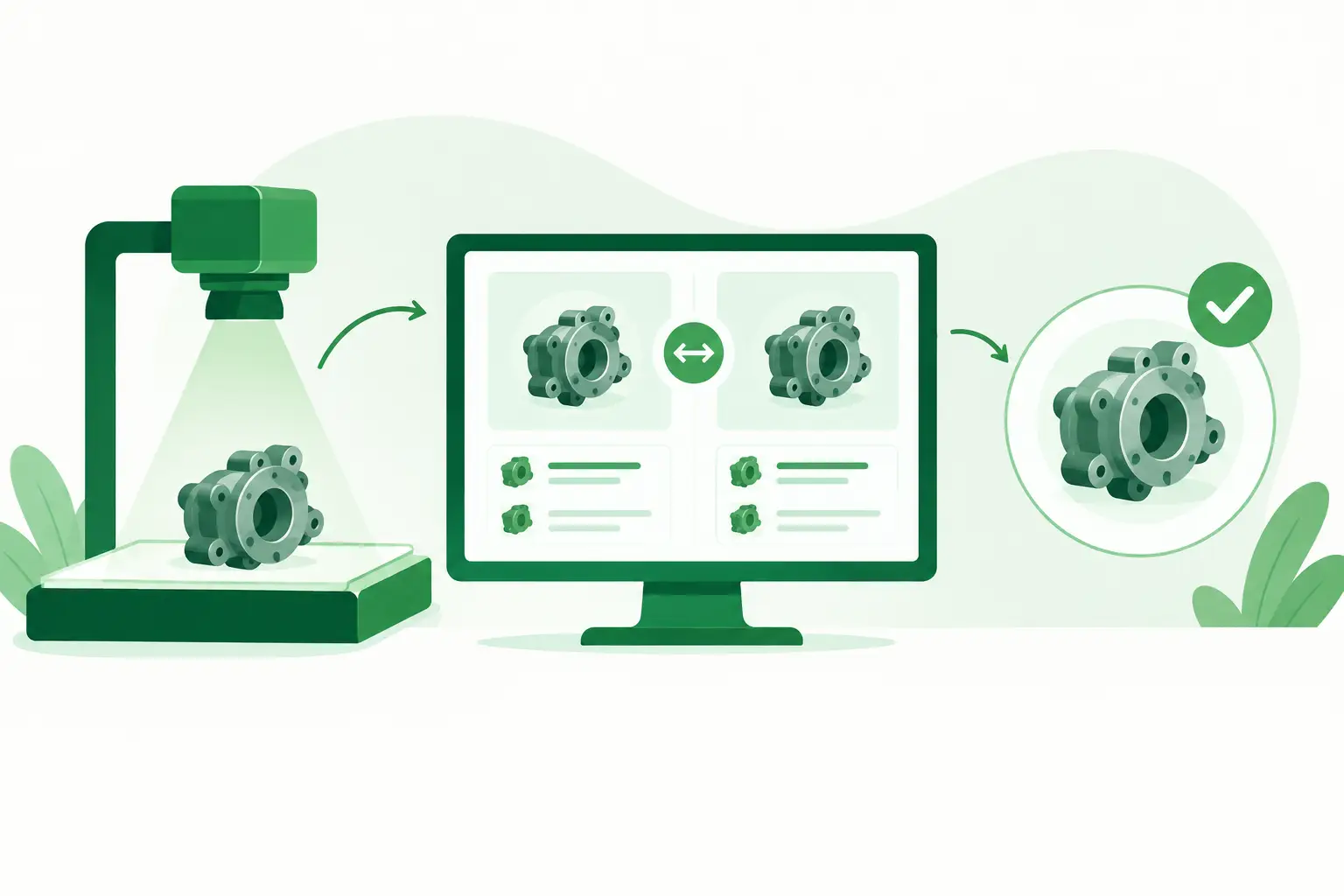
Next comes verification. This step confirms whether the requested component is the right one, whether alternate part numbers exist, and whether revision differences matter. In some cases, there may be a workable substitute. In others, substitution creates risk and should be avoided. The right answer depends on the equipment and failure mode.
Then comes sourcing. This is where supplier network depth matters. A broad database and established channels across new, refurbished, and hard-to-find inventory can compress search time significantly. It is also where specialization shows. Teams that work in imaging every day understand which parts are commonly mislabeled, which systems have known interchange limits, and where legacy stock is more likely to surface.
Finally, fulfillment requires quote speed paired with execution discipline. The buyer should get clear information on condition, lead time, availability, and shipping options. If the part is urgent, there should be no ambiguity about when it can leave the warehouse or supplier location.
Why network depth matters more than warehouse size
Many buyers assume urgent response depends mostly on what a supplier physically stocks. Inventory matters, but in imaging aftermarket procurement, network depth is often more valuable than a single-location shelf. Rare and discontinued components are not always held in large quantities by one source. They are distributed across repair channels, specialty brokers, OEM surplus streams, independent service inventories, and refurbishment pipelines.
A supplier with broad access can search beyond its own floor stock and do it quickly. That expands the practical availability of hard-to-find parts without requiring the buyer to contact multiple vendors. For service teams under pressure, that time savings is significant.
This is where a specialized sourcing partner can add real value. Meditegic, for example, operates in the part of the market where imaging uptime depends on locating exact-match components across a wide aftermarket landscape, not just offering general catalog supply.
New versus refurbished in urgent situations
Urgent requests often raise the same question: should the buyer insist on new, or accept refurbished if it is available faster? The answer depends on the system, the budget, the clinical schedule, and the part category.
For some components, new is the preferred path when availability is immediate and the cost fits the operating context. For others, a quality refurbished part is the only realistic way to restore service quickly, especially on legacy systems. Refurbished does not automatically mean compromised, but buyers should expect clarity on testing and condition.
There is a trade-off here. Waiting for new stock may align better with standardization goals, but it can extend downtime. Choosing refurbished can shorten outage duration, though it requires confidence in the supplier's qualification process. Experienced buyers weigh total operational impact, not just unit price.
How buyers can improve response time before the next failure
The fastest urgent orders usually come from teams that prepare before the emergency. That does not mean carrying every spare in-house. It means having the right information ready and a sourcing path already established.
A good starting point is equipment record quality. Clean asset data, accurate model details, common failure history, and known part numbers reduce delay during intake. Service teams also benefit from documenting alternate numbers and prior replacements, especially on older systems where labeling is inconsistent.
Vendor alignment matters too. If a supplier already understands your approval process, shipping requirements, and equipment mix, quoting and fulfillment move faster. The same is true when escalation contacts are defined in advance for after-hours or high-priority events.
For high-impact modalities, some organizations also identify likely failure components ahead of time and decide where they will accept refurbished options. That kind of planning shortens internal debate when the system is already down.
What to look for in an urgent imaging parts supplier
Responsiveness is the first screen, but it should not be the only one. In this market, the right supplier combines speed with technical precision. Buyers should look for proven imaging specialization, broad modality coverage, access to both new and refurbished channels, and a quoting process that reflects real availability rather than guesswork.
It also helps when the supplier understands the pressure points on both sides of the transaction. Hospital purchasing teams need documentation and confidence. Field service teams need fast answers and exact-match parts. A dependable partner can support both without slowing the process down.
The most useful supplier is not just the one that responds quickly when a system fails. It is the one that reduces friction every time a hard-to-source imaging component has to move from problem identification to delivered replacement.
When imaging uptime is on the line, urgency should not create chaos. It should trigger a process that is fast, accurate, and built for the realities of complex diagnostic equipment.