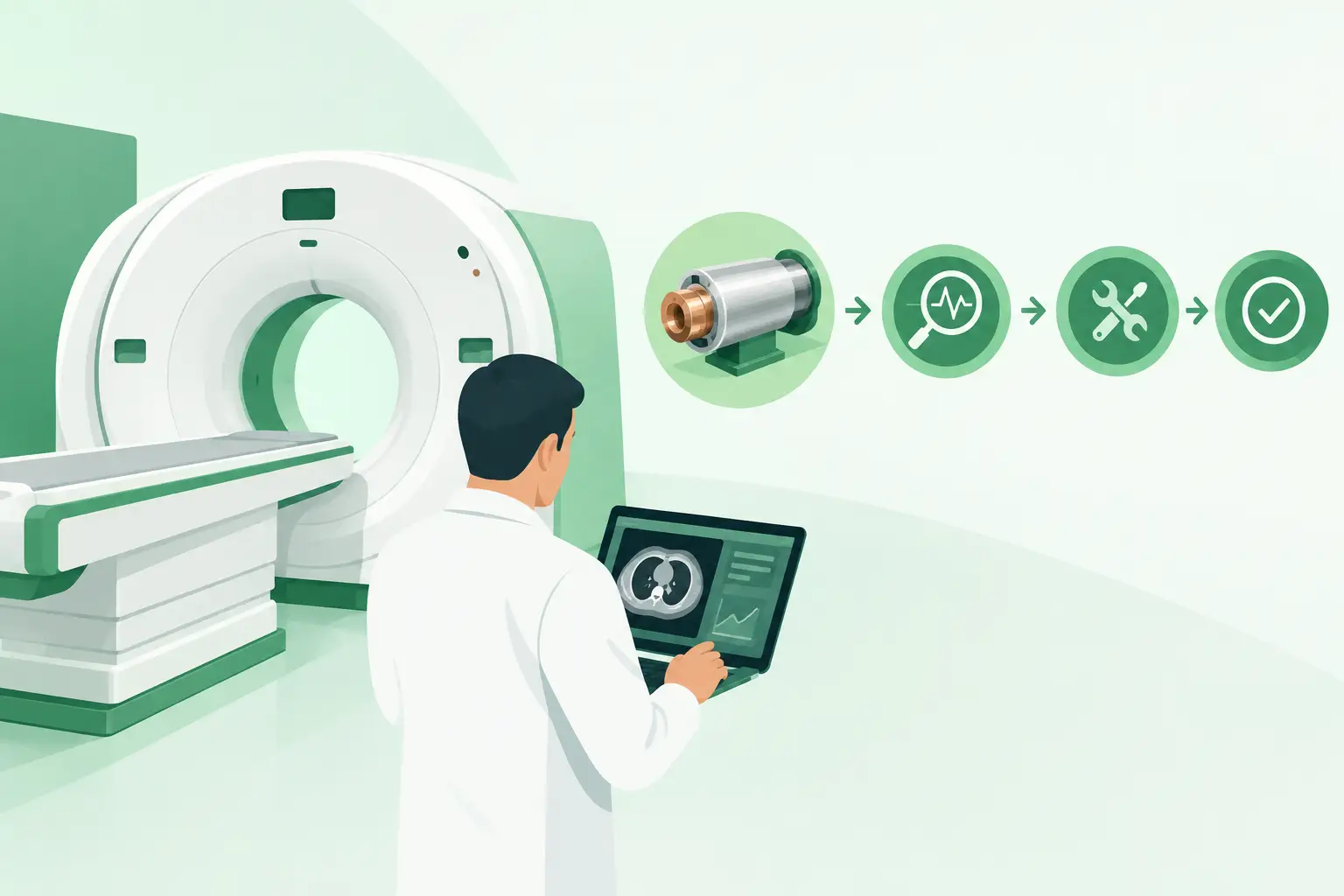
A DEXA system can be out of service because of one board, one positioning assembly, or one aging power component that is no longer available through the original support channel. Densitometer spares are not interchangeable by appearance alone. On bone densitometry equipment, the correct replacement depends on the OEM part number, system configuration, software generation, and sometimes the serial range of the unit.
For clinical engineering teams, ISOs, and imaging service providers, the immediate objective is clear: restore safe, reliable operation without introducing a compatibility problem that extends downtime. That requires a sourcing process built around exact identification rather than broad descriptions such as “DEXA detector” or “bone density table part.”
What Falls Under Densitometer Spares?
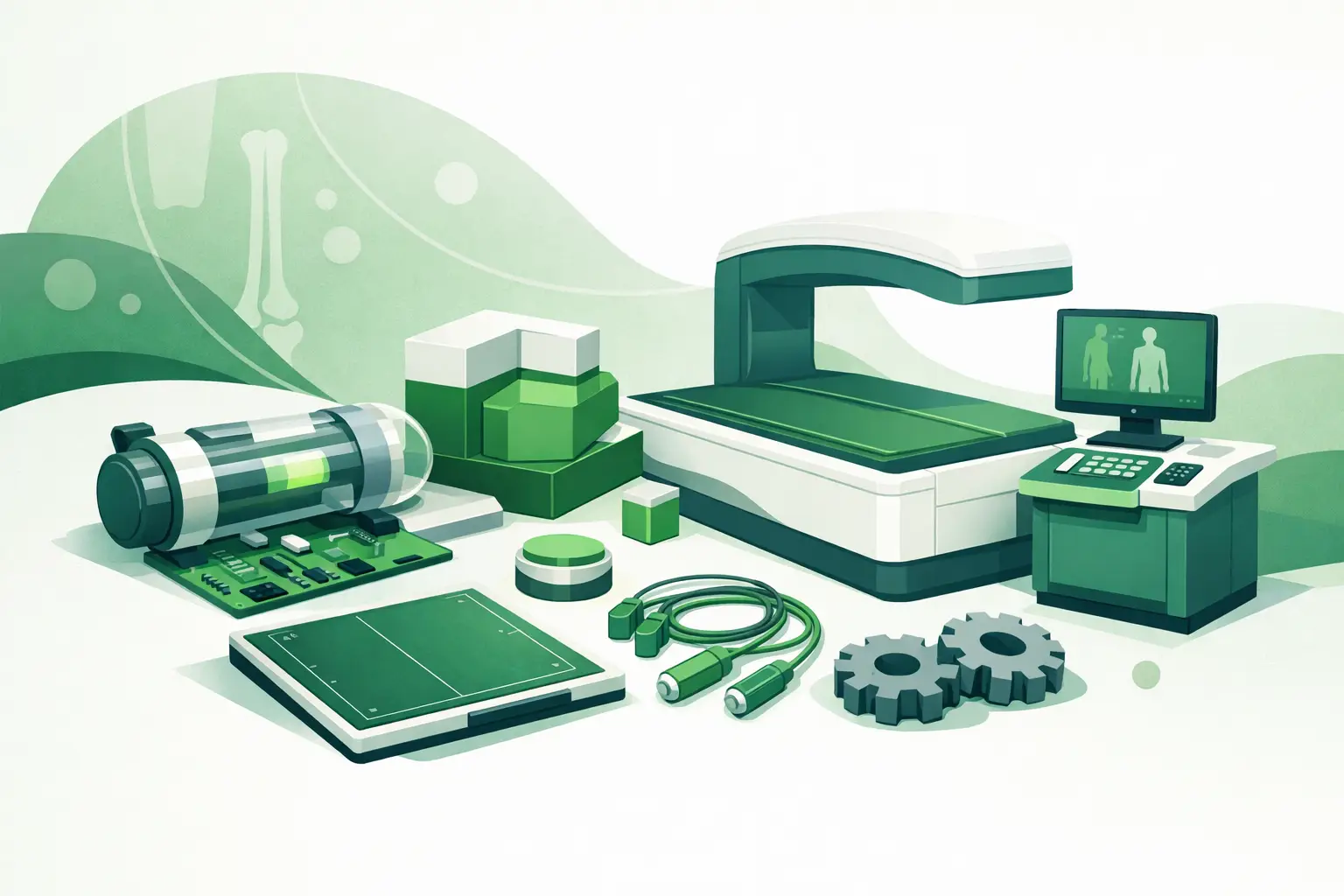
Bone densitometry systems, commonly called DEXA or DXA systems, combine precision mechanics, X-ray generation, detection electronics, motion control, and dedicated acquisition software. A fault can originate in any of these areas. The most commonly requested densitometer spares include detectors, detector electronics, X-ray source assemblies, collimators, high-voltage components, power supplies, control boards, cables, table assemblies, patient positioning components, console PCs, monitors, and workstation accessories.
The category also includes less visible but operationally critical parts: gantry drive components, encoders, cooling fans, interlock assemblies, limit switches, calibration-related hardware, and internal harnesses. These items may be difficult to source because the system is older, the part was supplied only within a subassembly, or the OEM reference has been superseded multiple times.
For platforms from GE Lunar, Hologic, Norland, or other current and legacy manufacturers, the system family alone is not enough to identify a replacement. A component used on one configuration may have a different connector, firmware revision, mounting pattern, or electrical specification on another.
Why Exact Part Matching Matters in DEXA Repairs
A bone densitometer is a quantitative diagnostic system. It does not simply produce an image. It measures bone mineral density and body composition using tightly controlled acquisition and calibration processes. That makes part compatibility more consequential than it may be on less specialized equipment.
A physically similar power supply, board, detector assembly, or motion component can create problems ranging from error codes and failed initialization to unstable scans or failed quality-control procedures. In some cases, a replacement may operate initially but prove incompatible with the installed software version or system-specific configuration.
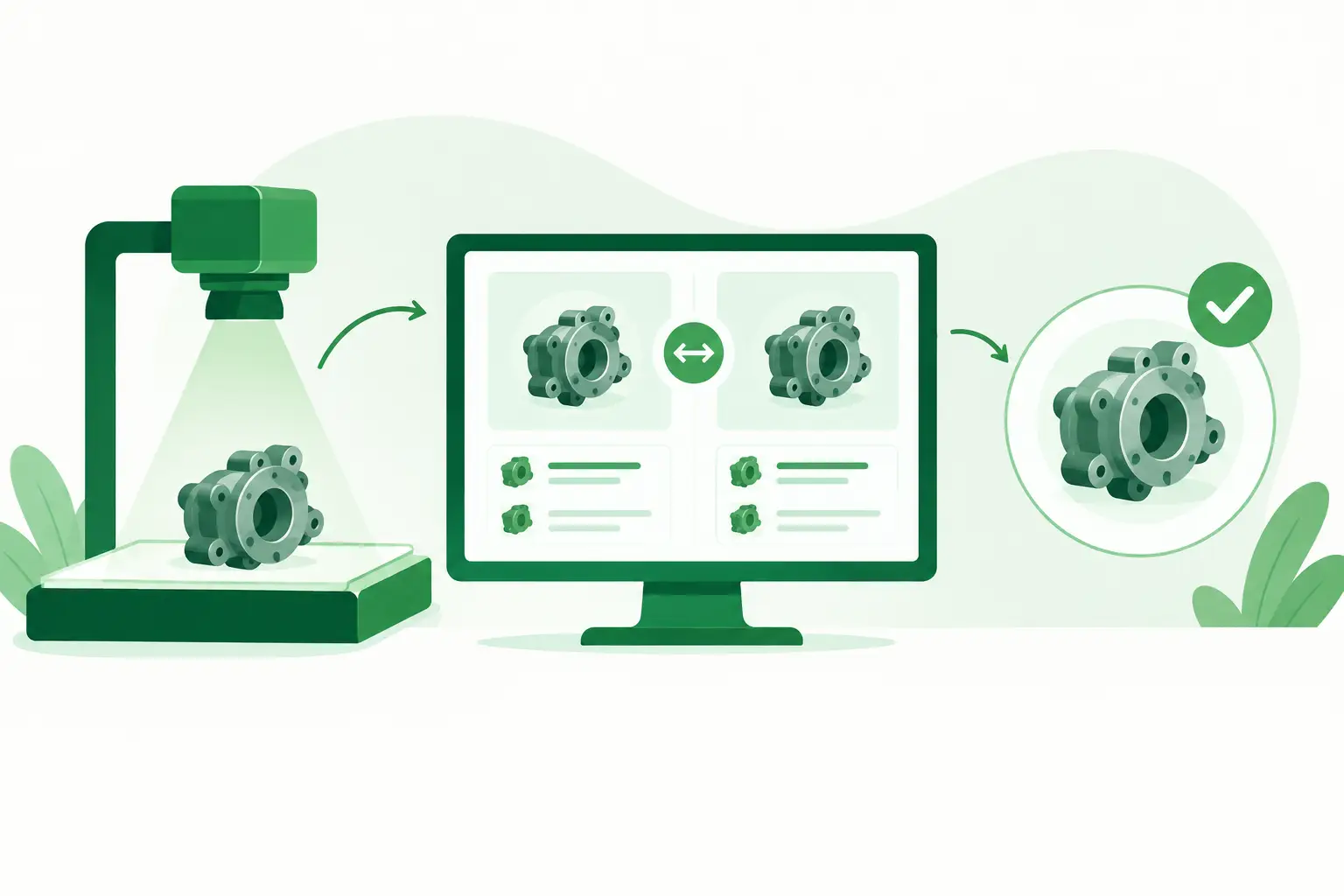
The right sourcing request starts with the OEM part number whenever possible. Clear photographs of the part label, connector layout, and the installed location are highly useful when a label is damaged or missing. System model, serial number, fault description, and any displayed error code help narrow the search further.
A supplier should also distinguish between a component that is known to be compatible and a part that merely resembles the requested item. For uptime-driven buyers, that difference can prevent a second service visit, another shipping delay, and unnecessary troubleshooting time.
The Parts Most Likely to Create Extended Downtime
Not every DEXA repair requires an uncommon component. Fans, fuses, standard computer peripherals, and selected cables may be available through conventional channels. The sourcing challenge usually increases when the failed item is proprietary, tied to a discontinued platform, or normally available only through an OEM-level assembly.
Detector and acquisition components
Detector assemblies and their associated electronics are among the most sensitive items to source. Their condition, revision level, and compatibility with the acquisition chain matter. A used or refurbished component can be a practical option when it has been correctly identified and evaluated, but its suitability depends on the part type and the service organization’s validation process.
Power and control electronics
Power supplies, high-voltage modules, PCBs, interface boards, and motion-control boards commonly cause system faults that appear broader than the original failure. A DEXA system may not boot, may fail a homing sequence, or may stop during acquisition because a control board or power section is unstable. Part-number-level matching is particularly important where multiple revisions exist under similar descriptions.
Table, gantry, and positioning hardware
Mechanical faults can take a scanner offline even when the image chain is functioning correctly. Table motion assemblies, patient supports, arm components, drive mechanisms, rollers, cables, and limit switches are frequently overlooked until a movement-related error occurs. Mechanical spares need confirmation of dimensions, mounting points, and handedness, not just the equipment model.
Console and workstation components
Older densitometer workstations may rely on specific interface boards, proprietary cables, legacy operating environments, or OEM-configured computers. Replacing a console with a generic PC is not always a straightforward repair. When a console-related spare is required, confirm the original hardware reference and the interfaces needed to communicate with the scanner.
A Faster Way to Request Densitometer Spares
The best quotation process begins before the request is sent. Service teams can shorten sourcing time substantially by supplying the information that allows a supplier to cross-reference the part accurately on the first review.
For a meaningful sourcing request, provide these details:
- OEM and full system model, plus the serial number when available
- Exact OEM part number, revision, and any alternate number on the label
- Clear photographs of the component, labels, connectors, and mounting points
- A concise fault description, including error messages and whether the part has been tested
- Required condition: used, refurbished, or select new replacement where applicable
- Delivery destination and required timeframe
This level of detail is especially valuable for discontinued platforms. It helps identify whether the requested item is available as a direct match, whether an approved supersession exists, or whether the repair requires an assembly rather than an individual internal component.
Used, Refurbished, or New: The Decision Depends on the Part
For many legacy DEXA systems, used or refurbished densitometer spares are the realistic route to continued operation. That does not mean every part should be treated the same way. A cosmetic table cover and a detector-related assembly have very different technical and clinical implications.
Used parts can be appropriate when condition is verified, the component is an exact match, and the buyer has the capability to perform installation and system checks. Refurbished parts may be preferable for selected electronics or assemblies where inspection, repair, and functional testing add value. Select new replacement components may be available for certain standard items, but availability varies by part type and system generation.
The purchasing decision should account for more than purchase price. Consider the cost of repeat downtime, technician travel, installation labor, validation work, and the remaining service life of the scanner. For an older unit supporting a stable patient volume, a correctly sourced spare can be the most sensible way to extend useful life. For a system with multiple recurring failures, the service team may need to evaluate the broader repair plan rather than replacing components one at a time.
Post-Installation Checks Are Part of the Repair
Installing the correct part is not the final step. DEXA equipment should be returned to service through the checks specified by the manufacturer and the facility’s quality program. Depending on the repair, this may include mechanical travel verification, communication checks, warm-up procedures, calibration, phantom scanning, quality-control review, and confirmation that the system completes normal acquisition workflows.
If the repair involves detector, X-ray, high-voltage, or acquisition-chain components, follow the manufacturer’s required procedures and applicable service documentation. A replacement part does not remove the need for qualified technical assessment. It gives the service team the correct basis for completing that assessment.
Sourcing Support for Legacy and Urgent DEXA Repairs
The practical challenge with DEXA spares is rarely knowing that a part has failed. The challenge is locating the exact component before downtime disrupts scheduled exams and service commitments. Broad aftermarket access matters most when the part is obsolete, the local channel has no stock, or the system is installed in a region with limited OEM coverage.
Meditegic supports part-number-level sourcing across diagnostic imaging modalities, including bone densitometry, through a global network for used, refurbished, and select new replacement parts. For a time-sensitive request, provide the system and component identifiers first. The more precise the identification, the faster a sourcing decision can be made and the sooner the repair team can focus on returning the scanner to service.
When a DEXA system stops, the most useful next action is not a generic parts search. Document the exact component, capture the label, confirm the system configuration, and source against the part number. That discipline protects both repair time and confidence in the system’s return to operation.