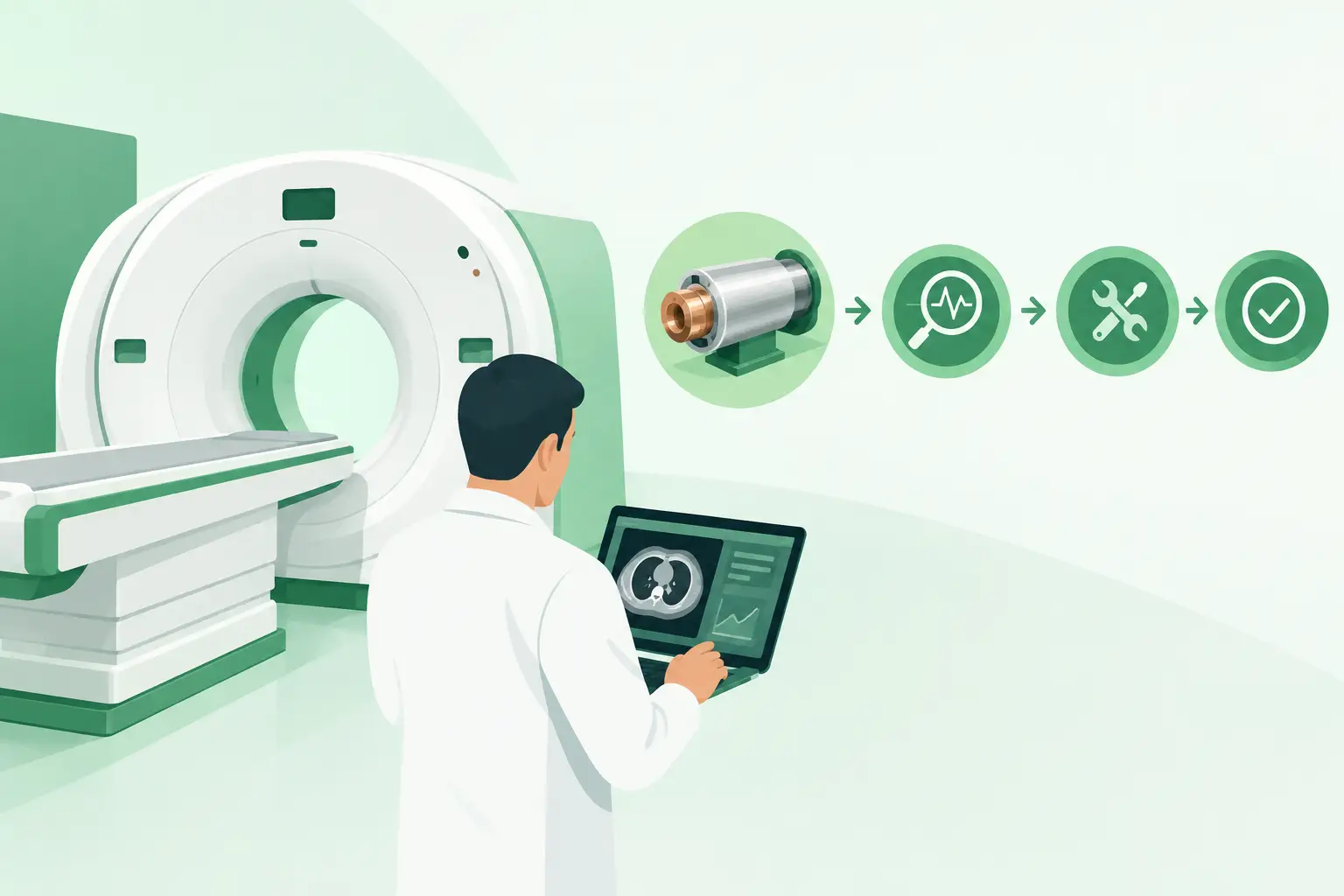
A mobile C-arm does not usually fail at a convenient time. It goes down between cases, during a packed orthopedic schedule, or when a field service team has one short window to restore imaging before the next patient block. In that moment, mobile c arm service parts are not a purchasing category. They are the difference between same-day recovery and an expensive delay.
That is why sourcing for these systems has to be handled differently from routine supply buying. Mobile C-arms sit at the intersection of imaging performance, mechanical movement, power management, and user safety. A replacement part has to fit the exact system configuration, match the failure mode, and arrive fast enough to matter. Price matters, but wrong-part risk and lost time usually matter more.
Why mobile c arm service parts are difficult to source
Mobile C-arms look straightforward from the outside, but the service reality is more complicated. Even within the same product family, there can be revisions in boards, monitors, power modules, control panels, brake assemblies, cables, collimators, or tube housing support components. A part that appears identical may not be compatible with the unit on your floor.
This gets harder as equipment ages. Many systems remain clinically useful long after OEM support has narrowed, lead times have stretched, or specific assemblies have become difficult to obtain through standard channels. Independent service providers and in-house biomedical teams often run into the same issue: the part number is incomplete, the field notes are vague, or the failed item is one layer below the assembly listed in the manual.
Then there is the downtime issue. Unlike modalities that can sometimes wait for a planned repair window, mobile C-arms are often tied closely to procedural schedules. If the unit is one of only a few available in a center, a delay in parts sourcing can quickly affect throughput, staff utilization, and case planning.
The parts categories that cause the most delays
Some failures are relatively easy to identify and replace. Others trigger repeat visits, misdiagnosis, or multiple quote requests because the true fault sits upstream or downstream from the obvious symptom.
High-voltage and generator-related components are one example. A system with image instability, startup faults, or exposure issues may point to a generator section, power supply, inverter board, or associated cable set. In those cases, exact identification matters because substituting the wrong revision can create new faults or simply waste time.
Display and workstation components are another frequent pain point. Mobile C-arm systems often rely on integrated monitor assemblies, touch controls, video interfaces, and image processing hardware that vary by model and generation. Cosmetic similarity is not enough. Service teams need confirmation at the part-number and compatibility level.
Mechanical parts also create delays, especially when they are not stocked broadly. Brake handles, locks, casters, counterbalance components, arm motion elements, pedal assemblies, and positioning hardware may not be the most expensive items in the system, but they can still take a unit out of service. The same is true for connectors, harnesses, and cables that fail from repeated movement.
X-ray chain components require even more care. Depending on the fault, the need may involve a collimator, tube-related component, interface board, or associated assembly. Here, technical verification is essential because an imaging symptom can come from several different sources.
What good sourcing looks like in practice
For technical buyers, fast sourcing is not just about finding a seller who says a part is available. It means reducing uncertainty before the shipment leaves the warehouse.
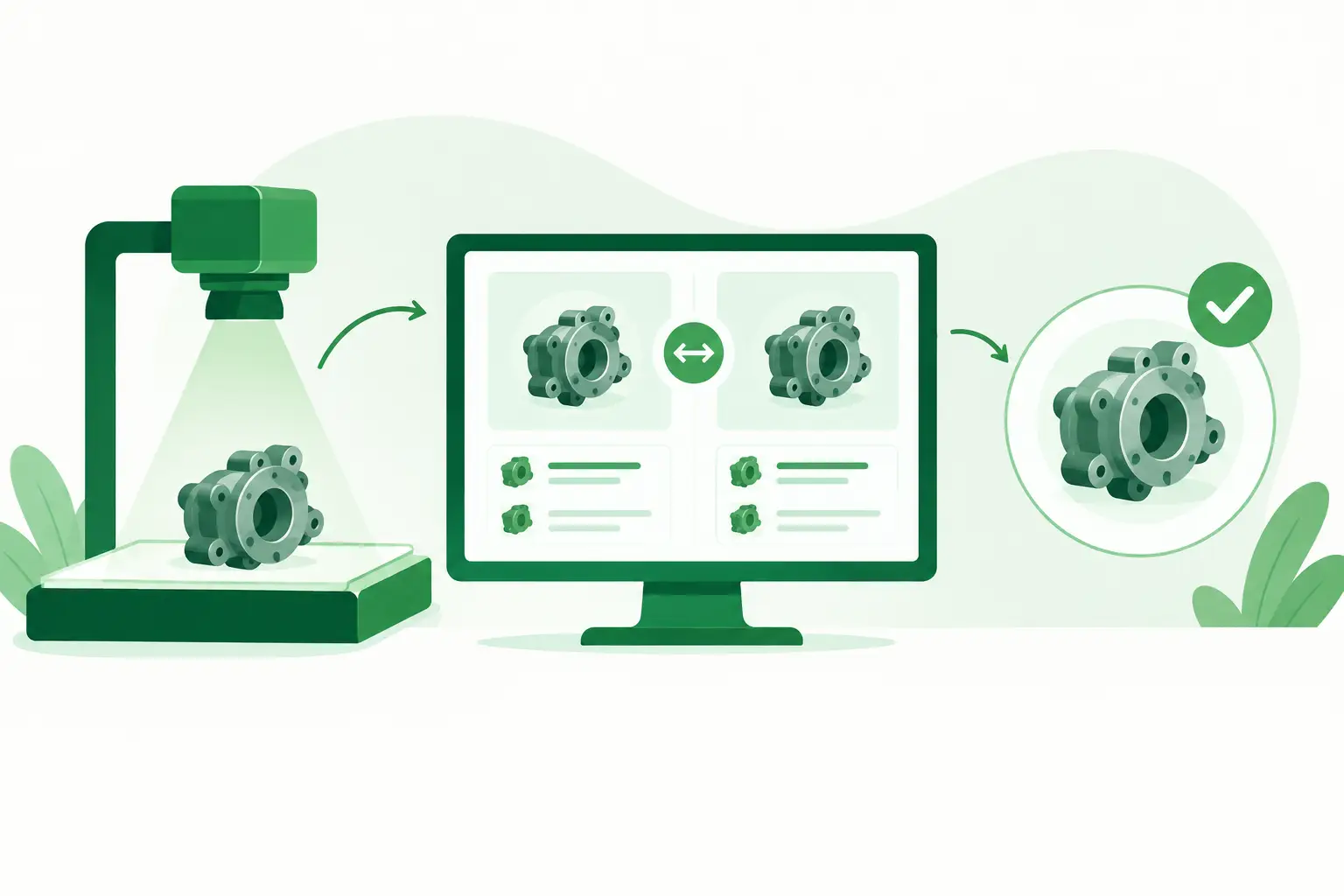
The first requirement is exact-match verification. That starts with the full part number, but it should not end there. Model name, serial number, system generation, revision details, and a clear fault description all help confirm whether the requested item is truly the right one. If the original number is missing or superseded, a knowledgeable supplier should be able to work backward from system data and service context.
The second requirement is realistic condition disclosure. In the aftermarket, many mobile C arm service parts are used or refurbished, and that is often the practical choice. What matters is whether the supplier can clearly state the condition, test status when relevant, and any exchange or warranty terms. Technical buyers do not need vague assurances. They need usable information that supports a service decision.
The third requirement is speed with accuracy. A fast quote only helps if it reflects the correct item, actual availability, and a workable shipping path. For urgent repairs, a precise quote in hours is more valuable than a broad answer that triggers another round of emails the next day.
Used, refurbished, or new: it depends on the part
There is no single rule for which condition category is best. The right choice depends on system age, failure criticality, budget, and how difficult the part is to find.
Used parts are often the fastest path for legacy systems, especially when the priority is restoring service without waiting on a long sourcing cycle. This can make good sense for discontinued assemblies or harder-to-find components where OEM channels are limited.
Refurbished parts are often preferred when the component has known wear patterns or when buyers want more confidence around inspection and functional condition. For boards, monitors, power modules, and certain assemblies, refurbishment can provide a practical middle ground between cost control and reliability.
New parts still have a place, but availability is highly variable by component category and platform age. In many cases, the more useful question is not whether a part is new. It is whether the part is correct, available, and suitable for the urgency of the repair.
How to reduce sourcing delays before the system fails
The easiest emergency to solve is the one partially prepared for in advance. That does not mean carrying every possible spare. It means tightening the information around your fleet before a failure occurs.
For each mobile C-arm, keep a clean record of model, serial number, installed options, monitor type, software generation if relevant, and the part numbers of components that have historically failed. If your team replaces the same cable assembly, brake part, board, or display interface every few years, document it in a way that the next technician can use immediately.
It also helps to identify which parts are mission-critical versus merely inconvenient. A damaged handle may allow short-term workarounds. A failed power module or display assembly may not. Knowing that difference helps clinics and service organizations decide what to stock, what to source on demand, and what to map to alternate suppliers in advance.
For independent service providers covering multiple customer sites, a standardized intake process pays off. When a field technician reports a failure, the sourcing request should include the symptom, error codes, photos of labels, and any prior repair history. That shortens the back-and-forth and improves first-pass accuracy.
Choosing a supplier for mobile c arm service parts
Technical buyers usually know the warning signs. If a supplier cannot verify compatibility, cannot explain condition, or cannot distinguish between similar assemblies across revisions, the process will slow down quickly.
A stronger supplier acts more like a parts partner than a generic reseller. They understand imaging equipment categories, know that legacy systems often require cross-checking, and can search beyond a single shelf location. That matters especially for difficult-to-source C-arm components, where the answer may come from a broader supplier network rather than from standard catalog stock.
Responsiveness also matters at the operational level. When a unit is down, buyers need concise communication, clear quote turnaround, and realistic expectations on shipping and availability. A supplier that handles medical imaging spare parts every day will usually understand why ambiguity is expensive.
This is where specialization has value. A focused aftermarket sourcing partner such as Meditegic supports technical teams by locating hard-to-find imaging parts, verifying details quickly, and helping reduce the time lost to fragmented sourcing. For service departments and independent engineers, that kind of support can be the difference between a simple repair event and a prolonged outage.
The real cost is not always the part price
Procurement teams are right to watch cost, but the cheapest line item can become the most expensive option if it leads to a second shipment, an extra site visit, or another day of canceled procedures. Mobile C-arms are operational assets. Their value is in being available when clinicians need them.
That shifts the buying decision. A technically verified part with a clear condition statement and fast delivery often produces better total value than a lower-priced alternative surrounded by uncertainty. The same logic applies to hard-to-find legacy components. When the system is still clinically useful, extending its service life with the right part is often a sound operational choice.
For teams responsible for uptime, the best sourcing process is not flashy. It is disciplined, technically informed, and fast enough to keep the repair moving. When mobile C arm service parts are handled that way, a difficult breakdown becomes a manageable service event rather than a prolonged disruption.