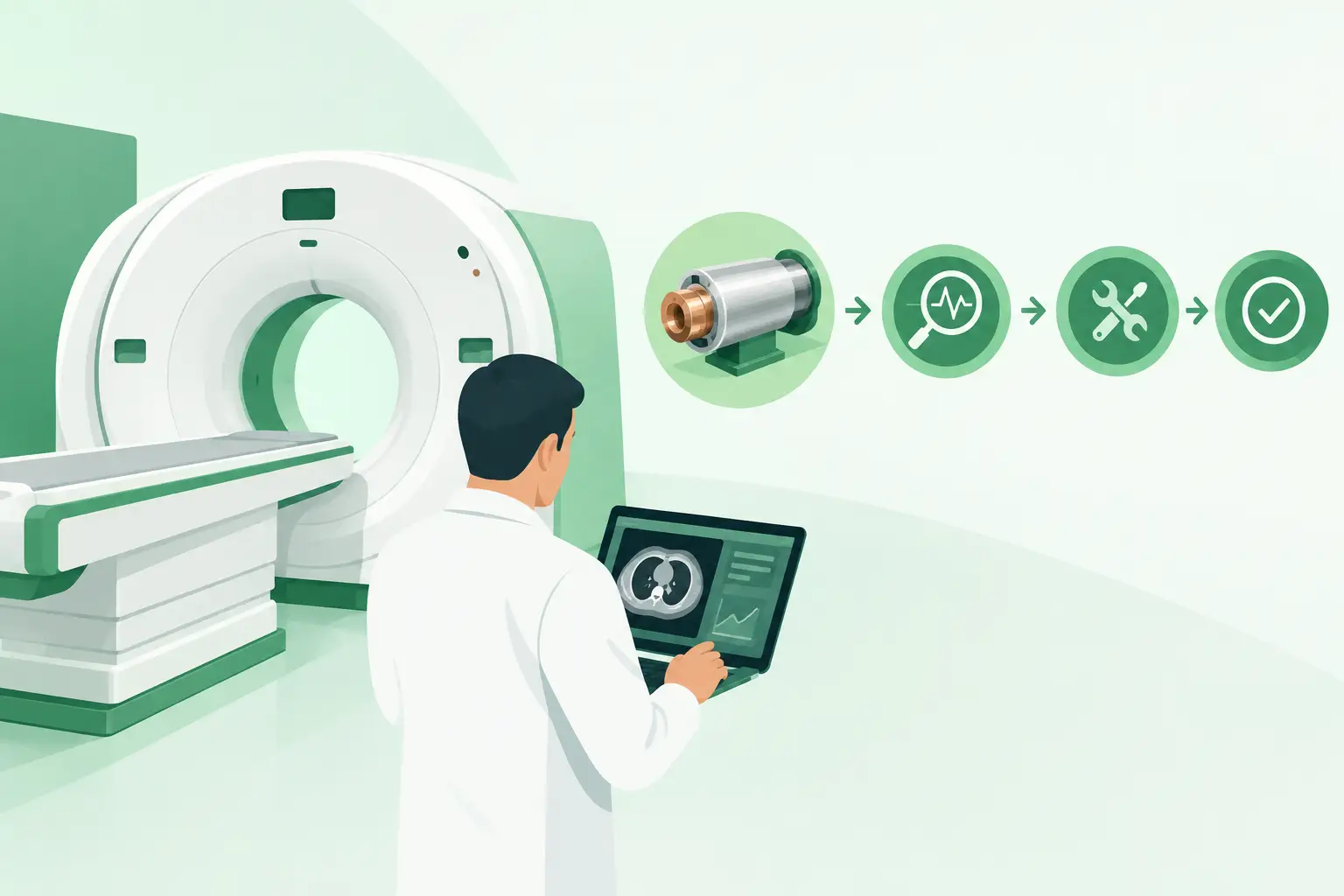
A collimator problem rarely starts as a purchasing issue. It usually shows up as image degradation, a damaged face, an unexpected compatibility question during service, or a system sitting idle while the team tries to confirm what actually fits. That is why nuclear camera collimator sourcing is less about buying a part and more about protecting uptime on a system that still needs to produce reliable studies.
For service teams and imaging providers, the challenge is familiar. Many SPECT and nuclear medicine systems remain clinically valuable long after OEM support becomes limited, model lines change, or original part channels narrow. In that environment, the collimator is one of the most specification-sensitive components you will source. A small error in hole geometry, energy range, mounting interface, or intended application can create delays that cost far more than the part itself.
Why nuclear camera collimator sourcing is unusually sensitive
A collimator is not a generic accessory. It is a performance-defining component that directly affects resolution, sensitivity, and clinical use. When the replacement is wrong, the issue is not just mechanical fit. It can alter imaging performance in ways that make the system unsuitable for the intended study.
That is what makes sourcing different from ordering a common spare. A detector-related component can look right on paper and still be wrong in practice. Low-energy high-resolution, low-energy general-purpose, medium-energy, and high-energy designs exist for clear reasons. Even within similar-looking nuclear camera platforms, the acceptable match may depend on detector size, head configuration, mounting pattern, and exam requirements.
Used and refurbished options can be the right path, especially for legacy equipment or urgent replacement needs, but only if the sourcing process is disciplined. Price matters, but not as much as confirmation. A lower quote loses its value fast if the part arrives with incomplete identification, uncertain condition history, or unresolved compatibility questions.
What buyers need before requesting a quote
The fastest sourcing process usually starts with the best technical input. If your request only says "SPECT collimator" or includes a system family without the exact details, expect back-and-forth. That is normal. A qualified supplier should slow the process just enough to prevent a wrong shipment.
The most useful starting point is the exact system model, serial if available, and any part number visible on the existing collimator or service documentation. Good photos also help, especially of labels, latch points, connector areas if relevant to the assembly, and the detector interface side. If the part has visible impact damage, bent edges, corrosion, or repaired surfaces, that should be documented early because it can affect exchange value and replacement path.
Clinical application matters too. A source request for general nuclear imaging is different from one tied to cardiac, thyroid, or higher-energy isotope use. If the system supports multiple collimator types, the supplier needs to know which performance profile you are replacing, not just which camera you own.
The main risks in nuclear camera collimator sourcing
The biggest risk is assuming interchangeability where it does not exist. Similar OEM families can contain revisions that are not safely interchangeable. A second risk is relying on incomplete part labeling. In the aftermarket, labels may be worn, replaced, or partially unreadable, so verification has to come from multiple data points.
Condition is the next issue. Cosmetic wear is one thing. Structural damage is another. A collimator can appear acceptable in listing photos while still having face damage, denting, edge deformation, or storage-related issues that matter once installed. Reputable sourcing depends on inspection standards, not assumptions.
Lead time risk is also real. Some suppliers quote quickly on broad availability but slow down when asked for actual condition images, traceability, or confirmation of exact compatibility. For service organizations under pressure, that delay is often worse than hearing honest constraints at the beginning.
How to evaluate a supplier for collimator sourcing
A strong supplier should act like a technical procurement partner, not a generic reseller. That means they ask for the right identifiers, challenge incomplete information, and verify fitment before shipment. If the quote process feels too easy for a highly specific component, that is usually not a good sign.
Look for evidence that the supplier works routinely with imaging aftermarket parts, especially legacy and hard-to-find components. Nuclear systems are not a place for guesswork. You want a source that understands modality-specific differences and can navigate OEM, refurbished, and secondary-market channels without losing track of accuracy.
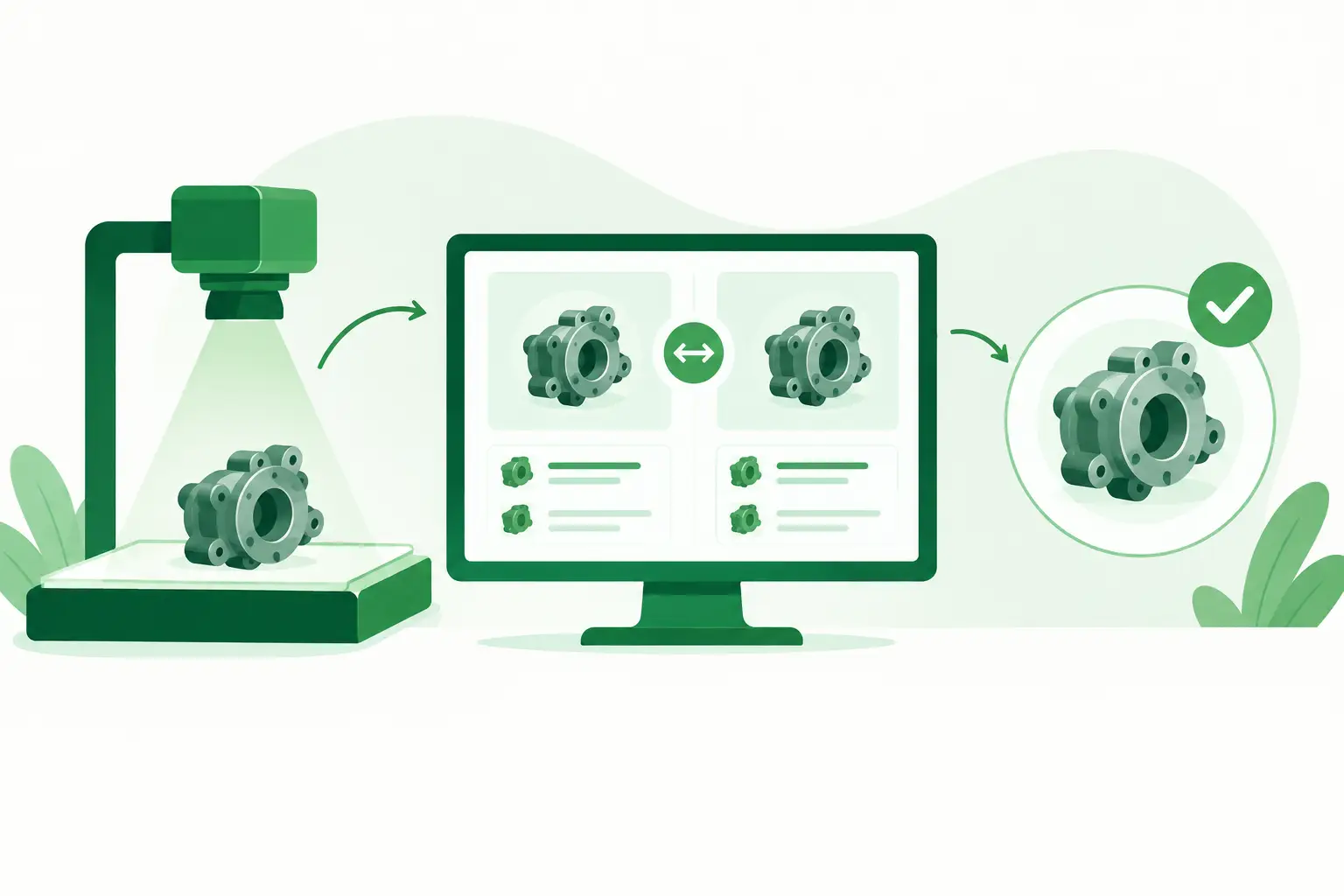
Inspection transparency matters. Ask what has been visually checked, whether detailed photos are available, how condition is graded, and whether there is a return process for verified mismatch. No supplier can remove all risk from aftermarket procurement, but a serious one reduces it through documentation and communication.
Responsiveness also deserves more weight than many buyers give it. A fast first reply is useful, but what really matters is whether the supplier can keep pace through technical clarification, internal verification, and shipment coordination. In urgent service situations, speed without follow-through creates as much downtime as no quote at all.
When used or refurbished makes sense
For many imaging providers and independent service teams, used or refurbished collimators are the practical option. The alternative may be long delays, limited OEM access, or no straightforward new replacement path at all. In that setting, the question is not whether aftermarket sourcing is acceptable. The question is whether the part has been properly identified and vetted.
Used can be the fastest route when the exact match is available from dismantled systems or stocked inventory. Refurbished may be preferable when the supplier can document cleaning, inspection, and condition review to a higher standard. Which path is better depends on urgency, available budget, and how much condition certainty the application requires.
There is a trade-off here. A lower-cost used unit may solve the uptime problem immediately, while a more thoroughly processed refurbished option may offer better confidence. Neither is automatically right. The decision depends on the age of the system, expected remaining service life, and how costly another replacement cycle would be.
Building a better internal process for nuclear camera collimator sourcing
If your team sources these parts more than occasionally, it helps to standardize the intake process. Keep records of confirmed part numbers, cross-references, detector-head associations, and prior successful replacements by system serial range where possible. That internal history can save days the next time a similar request appears.
It also helps to collect photos and label information before the part is removed from the camera, not after it reaches a workbench mixed with other assemblies. Small discipline at that stage prevents major confusion later. For multi-site organizations, centralizing those records can reduce duplicated effort across service teams.
Supplier continuity matters as well. Working repeatedly with a source that already understands your equipment mix, documentation standards, and urgency level typically produces better outcomes than restarting from zero on every event. Meditegic fits this model by focusing on hard-to-source imaging parts where speed and exact-match verification matter more than transactional ordering.
What a good sourcing outcome really looks like
A good outcome is not just receiving a collimator. It is receiving the correct collimator, with condition aligned to expectations, within a timeframe that supports service planning. That sounds obvious, but many delays in nuclear medicine support come from incomplete verification at the beginning and optimistic assumptions in the middle.
The best sourcing decisions usually reflect a simple discipline. Confirm the exact requirement. Work with a supplier that understands imaging aftermarket complexity. Ask for condition clarity, not just availability. And treat compatibility as a technical question, not a purchasing shortcut.
When a nuclear camera is down, every hour pushes pressure onto clinical schedules, service resources, and replacement budgets. A careful sourcing process may take a few extra messages up front, but that is usually the cheapest part of the repair. In this category, precision is what gets you back online.