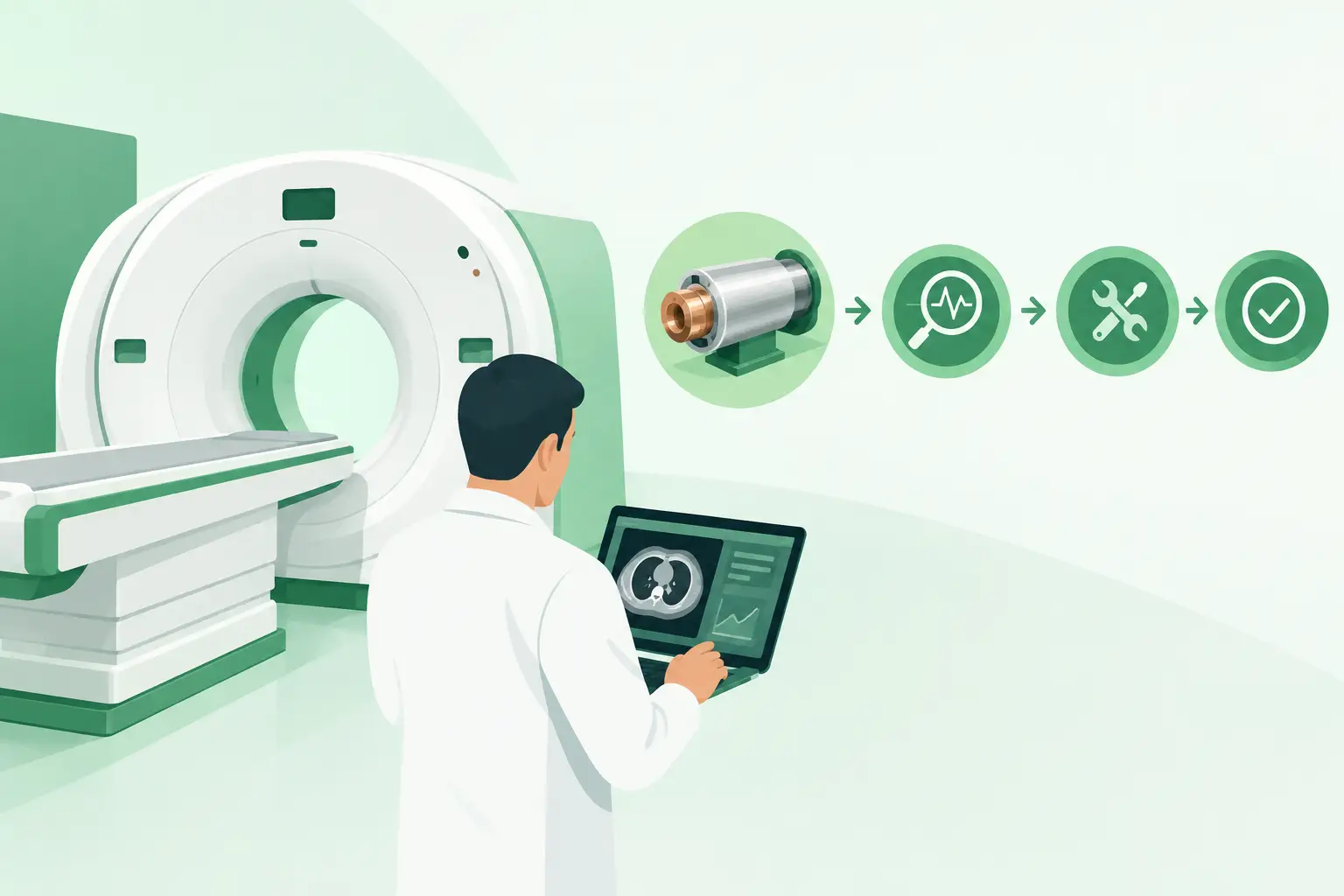
A Siemens MRI outage rarely begins with a vague requirement. A service engineer may have a fault code, a failed board, an intermittent coil issue, or a known part number tied to a specific subsystem. In those situations, sourcing Siemens MRI components is not a matter of finding a part that looks similar. It is a compatibility exercise that affects system recovery time, image quality, patient scheduling, and the service team's ability to close the call.
For current and legacy Siemens MRI platforms, the correct replacement depends on more than the modality name. Software level, magnet configuration, coil interface, cabinet revision, and OEM part-number supersessions can all determine whether a component can be installed and returned to service. The most effective procurement process starts with technical identification, then moves quickly into availability, condition, and shipment planning.
Why Exact Siemens MRI Component Matching Matters
MRI systems are integrated platforms. A failed component may sit within the RF chain, gradient subsystem, patient handling assembly, cooling infrastructure, power distribution, or host and control environment. Even when two parts share a similar description, they may have different connectors, firmware, calibration requirements, mechanical mounting points, or approved system applications.
A part description such as "Siemens MRI power supply" is therefore useful only as an initial category. The practical sourcing requirement is usually the OEM part number, serial number where relevant, and the system information needed to verify fit. This is particularly important with assemblies that changed across product generations or received revision updates during a system's service life.
Exact-match sourcing reduces several common risks: receiving a physically similar but incompatible assembly, extending downtime while a return is processed, installing a component with the wrong interface or revision, and creating a second service event after the original failure has been addressed. For a clinic with scheduled MRI patients, each additional day offline can have a direct operational impact.
Common Categories of Siemens MRI Components
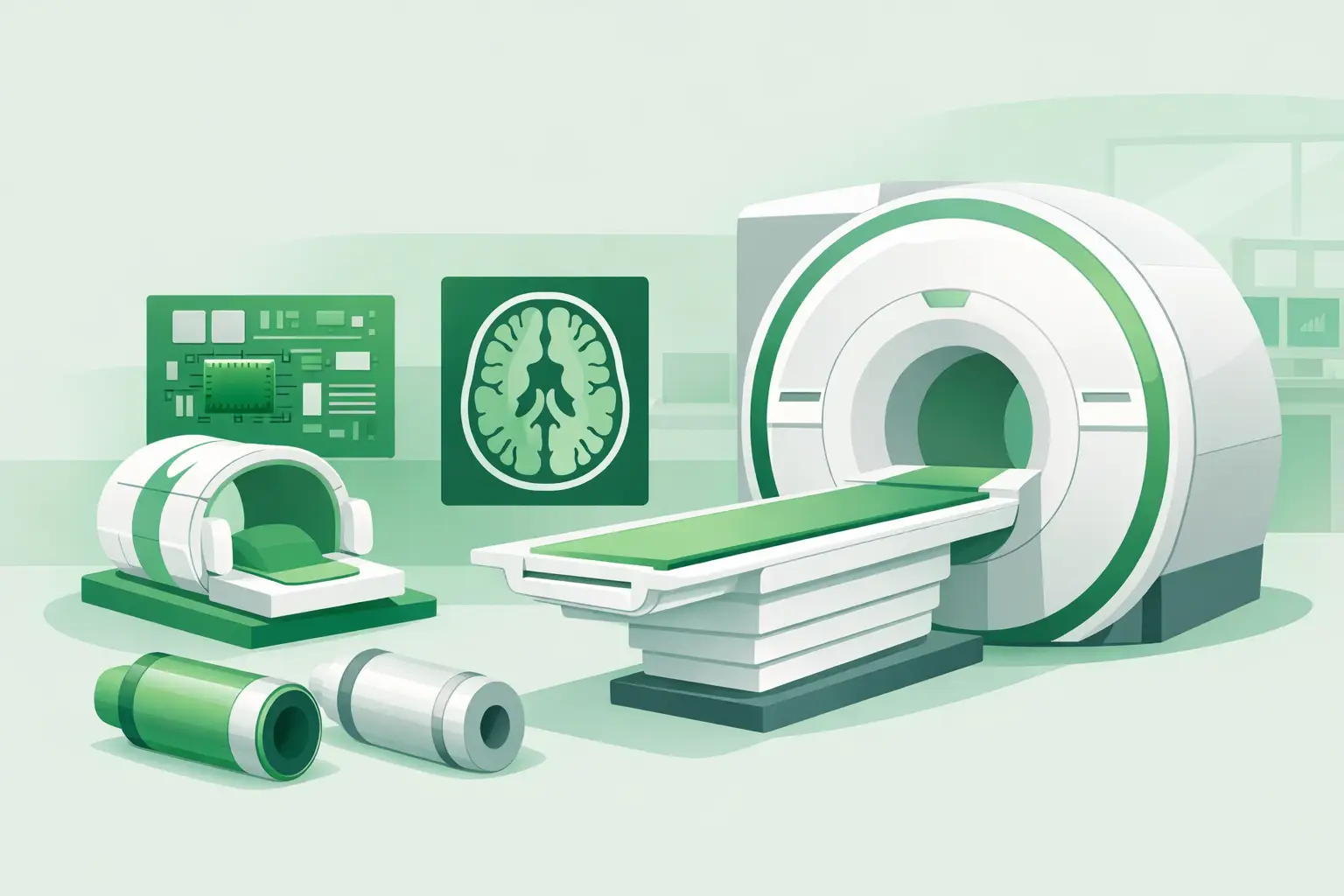
The components required for Siemens MRI maintenance vary by platform, field strength, and installed options. Most service requests fall into a few technical categories, although each category contains multiple model-specific assemblies.
RF Coils and RF System Assemblies
RF coils are among the most frequently discussed MRI replacement items because they are exposed to daily clinical handling and are central to image acquisition. Requests may involve head, spine, body, extremity, cardiac, or specialty coils, as well as coil cables, connectors, coil interface electronics, and associated RF assemblies.
Coil compatibility should never be assumed from anatomy coverage alone. The required coil must match the scanner family, interface generation, channel configuration, and clinical application. A precise part number and clear photos of labels and connectors can help distinguish closely related versions when documentation is incomplete.
RF chain requirements can also include amplifiers, transmit or receive components, filters, control boards, and cabinet-mounted modules. These assemblies should be sourced with attention to their original position in the system and any relevant revision information.
Gradient, Power, and Cooling Parts
The gradient subsystem operates under demanding electrical and thermal conditions. Depending on the fault, a service team may require gradient amplifier modules, power supplies, control boards, contactors, cooling-related hardware, cable assemblies, or other supporting components.
These parts are not interchangeable by appearance. Voltage ratings, connector layouts, cabinet locations, and revision levels matter. Where a failure may have been caused by a cooling problem, power event, or broader subsystem fault, the replacement decision should also account for the root cause. Replacing one failed module without correcting the upstream condition can lead to a repeat failure.
Cooling-related requirements may include pumps, heat-exchange components, fans, sensors, valves, hoses, and electronic control parts. MRI cooling configurations differ by system design, so system identification and the original component number are essential before procurement.
Patient Table and Mechanical Assemblies
Patient table failures can halt scanning even when the magnet and imaging electronics are functioning normally. Typical requirements include table drive components, positioning assemblies, motors, encoders, belts, bearings, switches, control boards, and patient support hardware.
Mechanical components require both part-number verification and physical confirmation. A table assembly can differ by patient weight rating, tabletop design, travel range, mounting arrangement, or scanner generation. Sharing the failure symptoms and the exact mechanical location helps the sourcing team identify the correct item faster.
Consoles, Computers, and Control Electronics
MRI control environments can include host computers, monitors, keyboards, interface modules, network hardware, power distribution components, and specialized printed circuit boards. Legacy systems often create the greatest sourcing pressure because OEM availability may be limited even when the scanner remains clinically valuable.
For electronic assemblies, buyers should provide the board or module part number rather than relying on the system name alone. It is also useful to identify whether the item is an outright failure, an intermittent fault, or a suspected issue based on diagnostics. This information can help determine whether a tested used component, a refurbished assembly, or another sourcing path is appropriate.
The Information That Speeds Up a Quote
A fast quote begins with a complete request. The part number is the most important identifier, but it is not always the only one needed. When submitting a Siemens MRI parts inquiry, include the system model, the component description, available serial numbers, revision labels, and photographs of identification tags or connectors when possible.
The fault context also matters. A request for a replacement gradient-related board is more actionable when it states where the board is installed, whether it was removed from the system, and what diagnostic findings led to the replacement decision. For coils, the affected anatomy, interface type, and connector photos can prevent an avoidable mismatch.
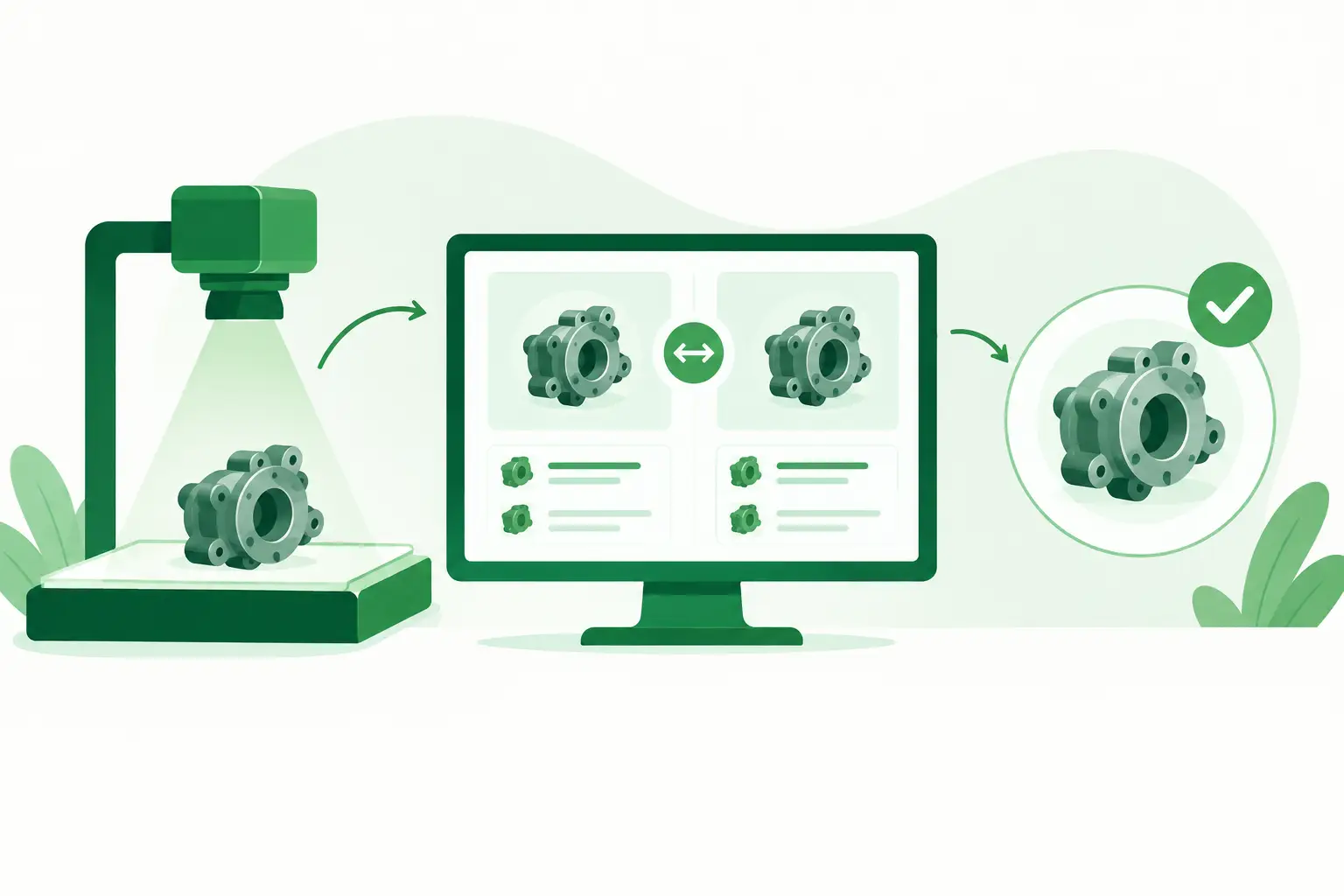
If the original part number is unreadable or missing, provide the cabinet location, equipment serial number, service documentation references, and clear images of the component. Experienced imaging-parts sourcing teams can often cross-reference incomplete information, but accurate technical details shorten the identification process.
Used, Refurbished, or Select New: Choosing the Right Condition
The right condition depends on the component type, the urgency of the repair, the age of the MRI system, and the buyer's service strategy. For discontinued Siemens MRI components, a tested used or refurbished replacement may be the only practical route to restoring a legacy platform.
A used part can be appropriate when it has been properly identified, inspected, and verified for the intended application. A refurbished component may be preferable for certain electronic or mechanical assemblies where repair and functional testing add value. Select new replacement parts may be available for some items, but availability is highly component-specific.
Condition alone does not establish suitability. The more important questions are whether the part is the correct OEM number or approved equivalent, whether it matches the installed system configuration, what testing or inspection has been performed, and whether the part can be delivered within the required service window. Buyers should also confirm any return, warranty, and core-exchange requirements before placing an urgent order.
Sourcing Challenges on Legacy Siemens MRI Systems
Legacy MRI platforms are often maintained because they remain productive assets with established workflows, trained staff, and a clinical role that does not justify immediate replacement. Their challenge is not necessarily serviceability. It is the fragmented availability of exact replacement parts after original production has ended.
The market for older Siemens MRI components can include removed inventory, surplus stock, refurbished assemblies, and parts held by independent service organizations or equipment refurbishers. This makes cross-referencing capability especially valuable. A supplier needs to distinguish between an exact part number, a later revision, a related assembly, and a component that belongs to a different platform entirely.
Meditegic supports this type of requirement by sourcing diagnostic imaging parts at the OEM part-number level across a global supplier network. For service teams managing multiple modalities and manufacturers, that matters because a single urgent repair should not require weeks of outreach across fragmented channels.
Plan for Installation, Not Just Delivery
A replacement part arriving on site does not automatically mean the MRI can return to clinical use. Some components require software configuration, calibration, system checks, alignment, or qualified service procedures before the scanner is ready for patients. RF, gradient, and high-voltage-related work should be handled by appropriately trained personnel following the applicable service documentation and safety requirements.
Before ordering, confirm the installation plan: who will receive the part, whether the old component must be retained as a core, what tools or documentation are needed, and whether a follow-up system test is required. For international shipments, packaging and transit coordination are equally important for sensitive electronics, coils, and heavy mechanical assemblies.
The best Siemens MRI component request is specific, technically documented, and tied to a clear recovery plan. That level of preparation gives the sourcing process a single purpose: getting the correct part to the right service team fast enough to protect MRI uptime and continuity of care.